
September means getting back to routine, so at NeuronUP we’ve put together a roundup of the activities most used by neurorehabilitation professionals in 2024.
In this article, you’ll find a selection of activities focused on different intervention areas, such as attention, language, executive functions, memory, and visuospatial skills, for adult patients with conditions like acquired brain injury or neurodegenerative diseases such as Alzheimer’s, Parkinson’s, or multiple sclerosis.
Take a look and see whether they’re also your patients’ favorite activities!
The 10 most used neurorehabilitation activities for working with adults in 2024
- In or out
- Correct Image Name
- Making Words
- Bottle Caps and Bottle Caps with letters
- The Clone
- Relate Characteristic-Item
- Sticky Notes in Order
- Stop the Ball
- Find the word by its definition
- Differentiate numbers
Below are the details of each one:
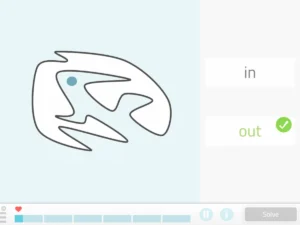
1. In or out
What does it involve?
This worksheet involves determining the position (in/out) of different shapes in relation to others.
What does it work on?
In or out focuses on processing speed and sustained attention.
Play by levels
This NeuronUP activity is organized into five difficulty levels: basic, easy, medium, hard, and advanced. As the level goes up, so does the difficulty.
Languages and format
In or out can be used in both digital and paper formats.
The digital format is available in Spanish, English, French, and Portuguese, while the paper format is available in Spanish and English.
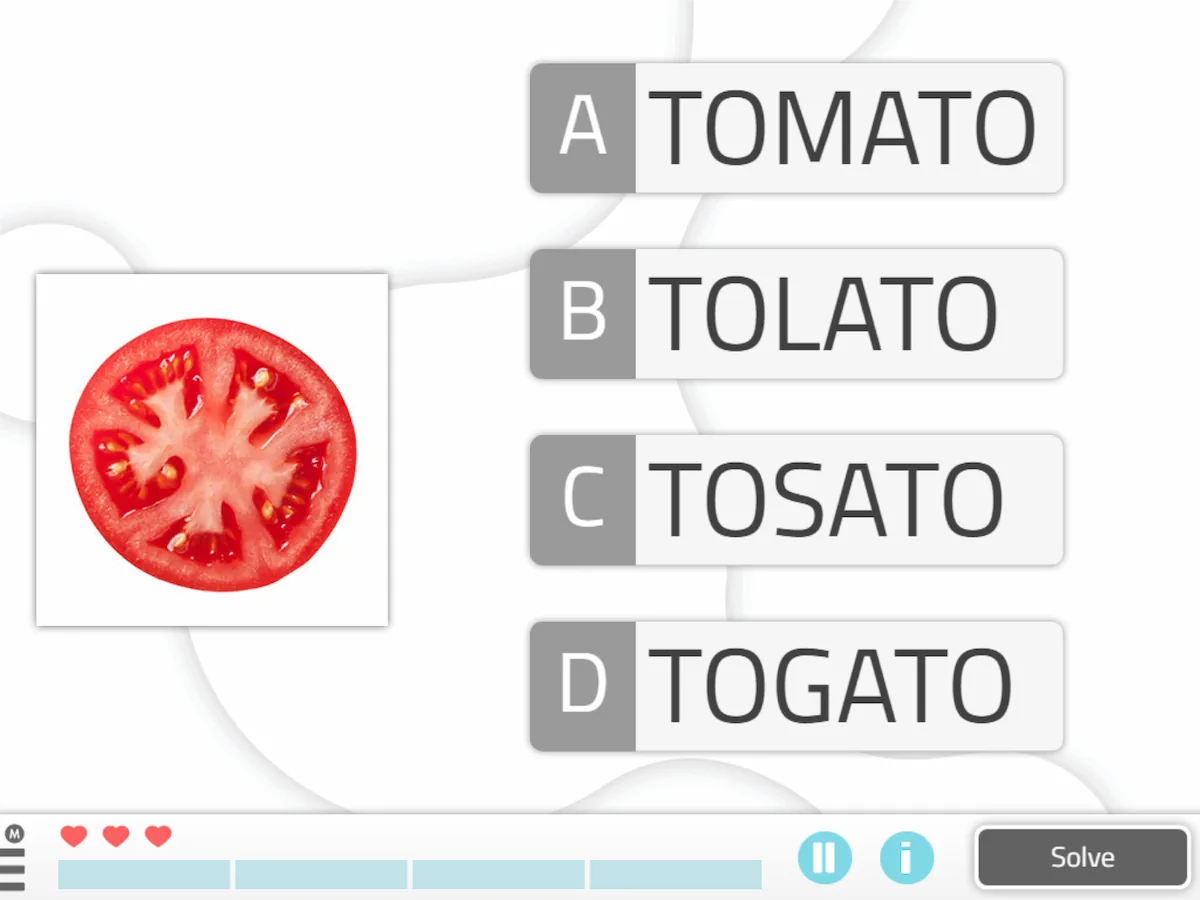
2. Correct Image Name
What does it involve?
This worksheet involves identifying the word that matches the image shown.
What does it work on?
Correct Image Name focuses on the discrimination skills of adult patients.
Play by levels
This NeuronUP activity is organized into five levels: basic, easy, medium, hard, and advanced. As the level goes up, the activity becomes more complex.
Languages and format
Correct Image Name can be used in both digital and paper formats, in Spanish and English.

Subscribe
to our
Newsletter
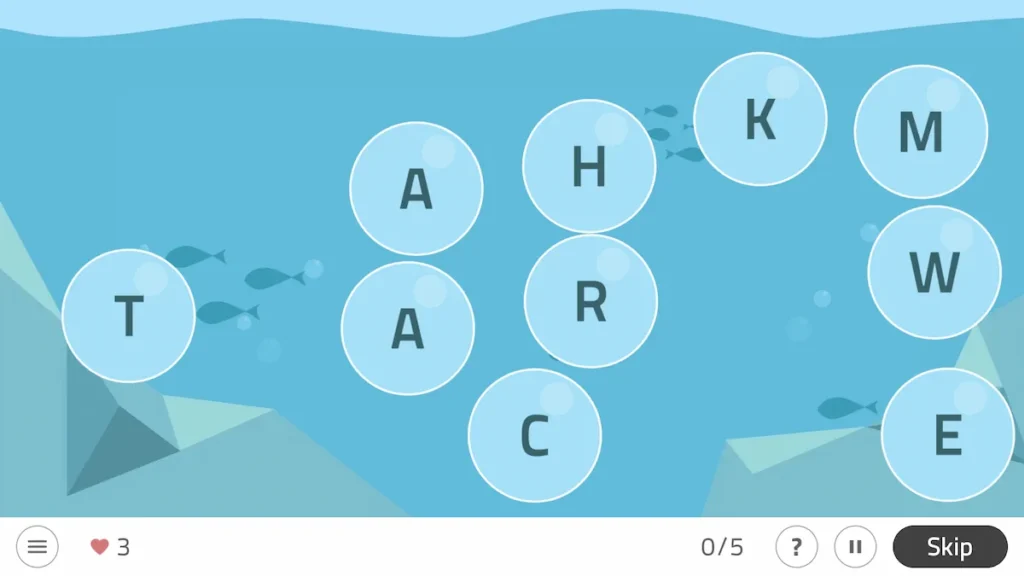
3. Making Words
What does it involve?
This game involves forming words by putting fragments, syllables, or individual letters in order.
What does it work on?
Making Words focuses on working memory, vocabulary, and hemineglect.
Play by levels
This NeuronUP game is organized into three difficulty levels: easy, medium, and hard, and some general settings and parameters can be customized to fit each patient’s needs.
Languages and format
Making Words is available in digital format in Spanish, English, and Portuguese.
4. Bottle Caps and Bottle Caps with letters
What does it involve?
Both versions of this NeuronUP game are also very popular with professionals and patients.
Bottle Caps involves putting a sequence of moving numbers in order, while Bottle Caps with letters involves putting a sequence of moving letters in order.
This game involves forming words by putting fragments, syllables, or individual letters in order.
What does it work on?
Both focus on working memory, inhibition, hemineglect, and sustained attention.
Play by levels
Both games are organized into three difficulty levels: easy, medium, and hard, and certain general settings and parameters can be adjusted to fit each patient’s needs.
Languages and format
Bottle Caps and Bottle Caps with letters are available in digital format in Spanish, English, French, Portuguese, Catalan, German, and Italian.
5. The Clone
What does it involve?
This game involves finding the repeated item as quickly as possible.
What does it work on?
The Clone focuses on processing speed and selective attention.
Play by levels
This NeuronUP game is organized into three complexity levels: easy, medium, and hard. Professionals can change general settings and parameters to tailor it to each patient.
Languages and format
The Clone is available in digital format in Spanish, English, French, Portuguese, Catalan, German, and Italian.
Learn more about
NeuronUP


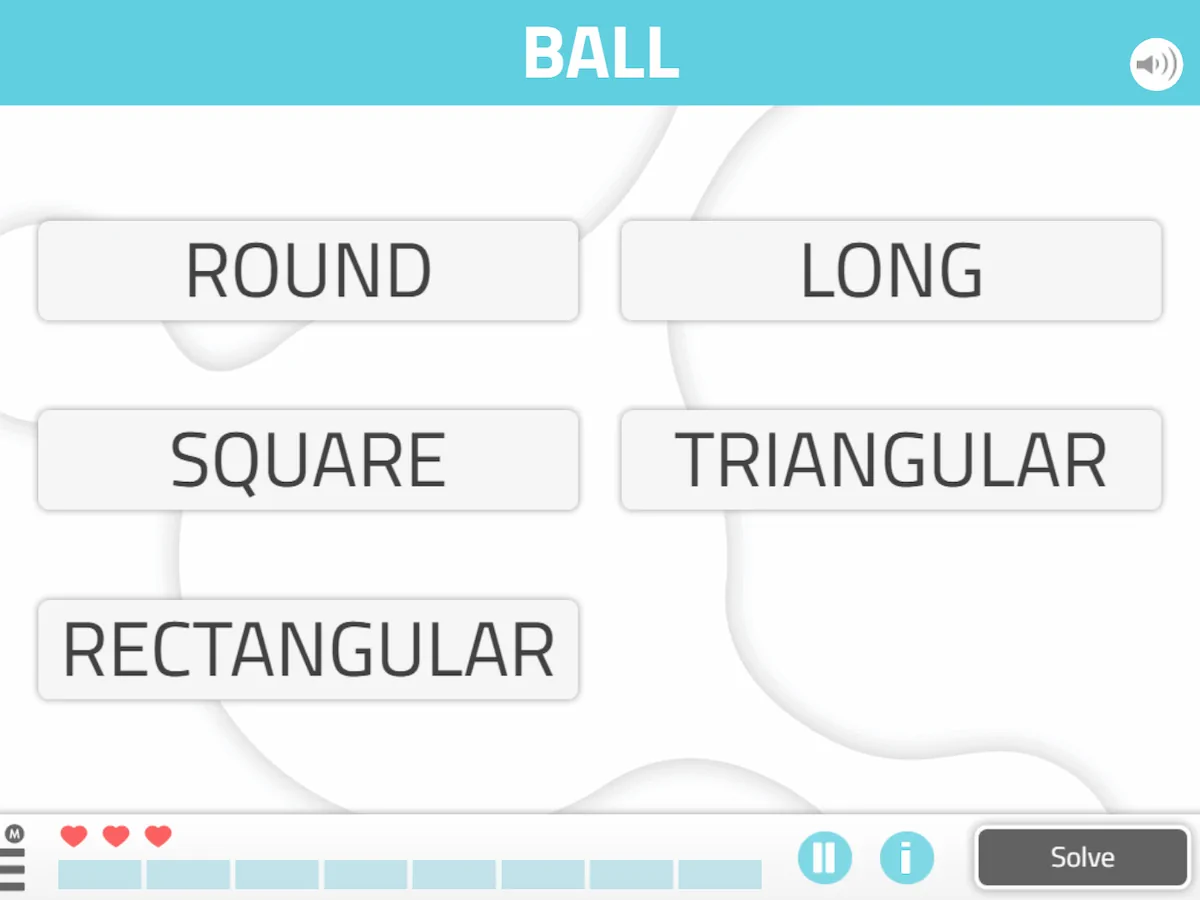
6. Relate Characteristic-Item
What does it involve?
This worksheet involves pointing out the characteristic properties of different items.
What does it work on?
Relate Characteristic-Item focuses on semantic memory.
Play by levels
This NeuronUP activity is organized into five levels: basic, easy, medium, hard, and advanced. As the level goes up, so does the complexity of the exercise.
Languages and format
Relate Characteristic-Item from an image can be used in both digital and paper formats.
The digital format is available in Spanish, English, Portuguese, and Catalan, while the paper format is available in Spanish and English.
7. Sticky Notes in Order
What does it involve?
This game involves memorizing the position of a sequence of numbers.
What does it work on?
Sticky Notes in Order focuses on patients’ episodic memory and working memory.
Play by levels
This NeuronUP game is organized into three complexity levels: easy, medium, and hard, and general settings and parameters can also be changed to tailor it to each patient.
Languages and format
Sticky Notes in Order is available in digital format in Spanish, English, French, Portuguese, Catalan, and German.
8. Stop the Ball
What does it involve?
This game involves calculating the exact moment when an item passes a specific point.
What does it work on?
Stop the Ball focuses on spatial relations, inhibition, planning, and processing speed.
Play by levels
This NeuronUP game is organized into three complexity levels: easy, medium, and hard, and different general settings and parameters can be set to tailor the exercise to each patient.
Languages and format
Stop the Ball is available in digital format in Spanish, English, French, Portuguese, Catalan, and Italian.
9. Find the word by its definition
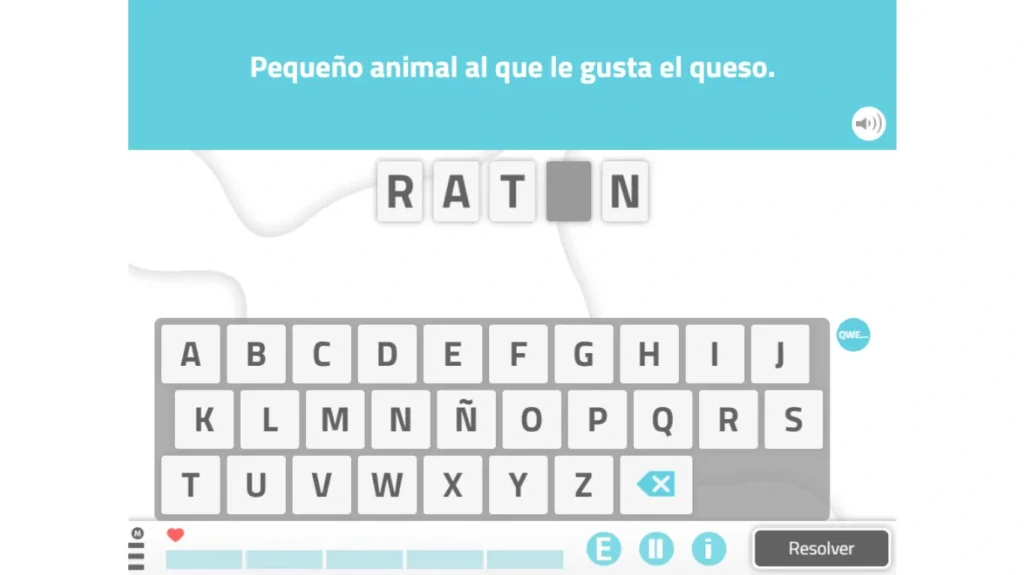
What does it involve?
This worksheet involves figuring out the words that match the given definitions.
What does it work on?
Find the word by its definition focuses on vocabulary.
Play by levels
This NeuronUP activity is organized into five levels: basic, easy, medium, hard, and advanced. As the level goes up, the exercise becomes more complex.
Languages and format
Find the word by its definition can be used in both digital and paper formats.
The digital format is available in Spanish and Portuguese, while the paper format is available in Spanish.
10. Differentiate numbers
What does it involve?
This worksheet involves choosing the dictated number from several options.
What does it work on?
Differentiate numbers focuses on discrimination skills.
Play by levels
This NeuronUP activity is organized into five levels: basic, easy, medium, hard, and advanced. As the level goes up, so does the difficulty of the exercise.
Languages and format
Differentiate numbers can be used in both digital and paper formats.
The digital format is available in Spanish, English, French, Portuguese, Catalan, and German, while the paper format is available in Spanish, English, and French.
If you enjoyed this blog post on the 10 most used NeuronUP activities for working with adults, you may also be interested in these NeuronUP articles:


“This article has been translated. Link to the original article in Spanish:”
Conoce las 10 actividades de NeuronUP más utilizadas para trabajar con adultos

 Generator for developing children’s reasoning: Word Pairs

Leave a Reply