
Home / Areas of Intervention / Cognitive Functions / Memory / Episodic Memory
Cognitive Functions · Memory
Episodic Memory
Episodic memory is a type of long-term declarative memory that stores events we have experienced along with their context: what happened, where we were, and when it occurred. It allows us to mentally revisit a moment in the past, such as remembering dinner yesterday or a conversation this morning.
The term was proposed by Endel Tulving (1972) to distinguish it from semantic memory, which stores general knowledge. Together, the two make up declarative, or explicit, memory—the type of memory we can consciously recall and describe (Squire, 2004). Procedural memory, which stores skills such as riding a bike, is nondeclarative; the relationship between episodic, semantic, and procedural memory is explained on the Memory page. Of the long-term memory systems, episodic memory is also the most sensitive to aging and the first to be impaired in the typical form of Alzheimer’s disease; this is why it plays a central role in memory assessment and rehabilitation.
In summary
Characteristics of episodic memory
It is personal
It stores what has happened to each person from their own point of view.
It has context
A memory includes the place, the time, and details such as the people, sounds, or what we felt.
It allows “mental time travel”
When remembering, a person knows that they are reliving something that happened to them. Tulving (1985) called this experience autonoetic consciousness.
A single experience is enough
An event can be remembered even if it happened only once. Repeating it or recounting it can help preserve it, but this is not necessary for the memory to form.
It is reconstructive
When we remember, we do not replay an episode like a recording; we reconstruct it. The gist is usually preserved, but details fade over time and may become mixed with other memories or with what we have been told (Schacter and Addis, 2007).
Remembering is not the same as recognizing
We may know that a face looks familiar without remembering how we know it. This sense of familiarity depends less on the hippocampus than remembering an episode with its context. That is why, in some cases of hippocampal injury, recognition is better preserved than recall (Eichenbaum et al., 2007).
Examples of episodic memory
In all these cases, a specific event is remembered as having occurred at a particular place and time. Knowing that Paris is the capital of France, by contrast, is not an episodic memory; it is knowledge that is not tied to when it was learned.
Types of episodic memory
There is no official classification, but clinicians distinguish several types based on the timing, material, and content of the memory:
Recent and remote
Recent memory stores what happened in the past few hours or days, while remote memory stores events from years ago. Recent memory is the first to fail in the typical form of Alzheimer’s disease, while older memories are more resistant (Scoville and Milner, 1957; Squire et al., 2015).
Verbal and visual
Depending on whether the material to be remembered consists of words and stories or images, faces, and places.
Autobiographical
Episodes from one’s own life, which are combined with information about oneself (Conway and Pleydell-Pearce, 2000).
Emotionally charged memories
Highly emotional events, such as where we were when we heard important news, are remembered vividly (Brown and Kulik, 1977), though with greater confidence than accuracy (Talarico and Rubin, 2003).
Personal information that is not tied to a specific moment, such as a birth date, is not episodic memory; it is what has been called personal semantics (Renoult et al., 2012). Prospective memory—the ability to remember to do something in the future—is also distinct, although it draws on episodic memory (Einstein and McDaniel, 2005).
Episodic and autobiographical memory
Autobiographical memory is the story of our own lives. It combines episodic memories, such as the day a child was born, with knowledge about ourselves, such as where we have lived or what jobs we have had (Conway and Pleydell-Pearce, 2000). As a result, a person may lose many episodic memories while retaining the main facts of their biography, as occurred in patients with lesions in both hippocampi (Rosenbaum et al., 2005). The balance also changes with age: older adults recount memories with fewer details about the specific moment and more general information (Levine et al., 2002).
Verbal and visual episodic memory
In assessment, verbal episodic memory refers to remembering words or stories, while visual episodic memory refers to remembering images, faces, figures, or locations. They are assessed separately because they can be affected differently depending on the side of the lesion. Left temporal lobe lesions primarily affect verbal memory, and this effect is highly consistent. The link between the right side and visual memory is weaker and depends on the test, partly because many images can also be remembered using words (Willment and Golby, 2013; Sherman et al., 2011).
Difference between episodic and semantic memory
Both are forms of declarative memory, but they store different information (Tulving, 1972; Renoult et al., 2019):
| Episodic memory | Semantic memory | |
|---|---|---|
| What it stores | Personal experiences with their place and time | General knowledge, concepts, and word meanings |
| How it is remembered | Reliving the episode (“I remember…”) | Knowing the fact without remembering when it was learned (“I know…”) |
| Example | Remembering the doctor’s appointment on Tuesday | Knowing what a doctor is and what a stethoscope is used for |
| With age | Declines with age, especially after age 60 | Remains stable or improves until age 55–60, then declines less than episodic memory |
| Typical impairment | Alzheimer’s disease, amnesia due to hippocampal injury | Semantic dementia (the semantic variant of primary progressive aphasia) |
In practice, the two influence each other. What we experience many times gradually becomes general knowledge: after many vacations in the same town, we know what it is like, even if we do not remember every visit (Winocur and Moscovitch, 2011). And prior knowledge helps us store and organize new episodes (Renoult et al., 2019). That is why the two are now viewed as distinct but closely connected systems that share many of the same brain regions. Episodic memory should not be confused with the episodic buffer, a component of working memory that, according to Baddeley (2000), combines information from different sources for a few seconds. The distinction between declarative memory systems is also explained in the article Memory and Its Systems: A Non-Unitary Concept.
How an episodic memory is formed
An episodic memory goes through three stages, and forgetting may result from a failure at any one of them:
Encoding
Information is registered. This depends greatly on attention: information that is not attended to is barely stored.
Consolidation
The memory trace stabilizes over the following hours and days, partly during sleep, and continues to be reorganized between the hippocampus and the cortex for months or years (Rasch and Born, 2013; Squire et al., 2015).
Retrieval
The memory is accessed when we need it. A cue, such as a place or a word, may be enough to retrieve an episode that seemed to have been forgotten.
The distinction between these stages has clinical significance. If a person recalls little spontaneously but improves to the normal range with cues or when recognizing an item among several options, the main problem is retrieval. If cues provide little help, even when they are the same ones used during learning, the problem is encoding or consolidation. This is the hippocampal-type amnestic profile seen in typical Alzheimer’s disease, which is assessed using the Free and Cued Selective Reminding Test (FCSRT) (Grober and Buschke, 1987; Sarazin et al., 2007; Dubois et al., 2014).
Where in the brain is episodic memory located?
The hippocampus and neighboring medial temporal lobe structures are necessary for forming new episodic memories. This was demonstrated by the case of patient H. M. In 1953, part of both medial temporal lobes was removed to treat his epilepsy, including much of both hippocampi, the amygdala, and the entorhinal cortex. Afterward, he could no longer store memories of new events, although he retained his intelligence and general knowledge (Scoville and Milner, 1957; Corkin, 2002).
The hippocampus acts like an index that links the different elements of an episode, which are stored in the cortex: a single cue is enough to activate the index and retrieve the whole event (Teyler and DiScenna, 1986; Teyler and Rudy, 2007). Over time, some of the memory is transformed into general knowledge that no longer requires the hippocampus, while the details of the episode continue to depend on it (Moscovitch et al., 2016).
The prefrontal cortex selects and organizes information as it is stored, and searches for and checks memories during retrieval (Blumenfeld and Ranganath, 2007). The parietal cortex, together with the hippocampus, is part of the network activated when we successfully remember an episode (Rugg and Vilberg, 2013). Semantic memory, by contrast, depends more on the anterior part of both temporal lobes, which is damaged in semantic dementia (Hodges and Patterson, 2007; Lambon Ralph et al., 2017). Many of the brain regions that allow us to remember the past are also used to imagine future situations, a process called episodic future thinking (Schacter et al., 2007). This is why people with lesions in both hippocampi have difficulty imagining new scenes (Hassabis et al., 2007).
Episodic memory across the lifespan
Adults retain very few memories from before age three or four, and fewer memories than expected from before age seven: this is known as childhood amnesia. This is not because young children fail to form memories—the hippocampus is already encoding them by around the first year of life—but because most are forgotten later (Bauer and Larkina, 2014; Yates et al., 2025). Episodic memory improves substantially during middle childhood as the hippocampus and prefrontal cortex mature, particularly the ability to remember details and context (Ghetti and Bunge, 2012).
In normal aging, episodic memory, along with working memory, is the memory system that declines the most, while semantic memory remains stable or even improves until age 55–60 and then declines less (Rönnlund et al., 2005; Nyberg et al., 2012). There are large differences between individuals: those who better maintain brain health also preserve memory better (Nyberg et al., 2012). Forgetting an occasional detail is normal; repeatedly forgetting recent conversations or important events is not.
Episodic memory impairments
Episodic memory problems are noticeable in everyday life: asking the same questions repeatedly, forgetting appointments or recent conversations, misplacing objects, or not remembering whether something has already been done. They occur especially in:
Alzheimer’s disease and amnestic mild cognitive impairment
In the typical form, new learning is the first ability to fail. The person recalls little, forgets quickly, and shows little improvement with cues or recognition because the damage begins in the hippocampus and neighboring regions. This is known as hippocampal-type amnestic syndrome (Dubois et al., 2014; Sarazin et al., 2007). Atypical forms may begin with language, vision, or behavior problems and are more common when the disease appears before age 65 (Graff-Radford et al., 2021); not all amnestic mild cognitive impairment is due to Alzheimer’s disease.
Acquired brain injury
After a traumatic brain injury, a stroke affecting the hippocampus or thalamus, anoxia, or encephalitis—especially herpes encephalitis or autoimmune limbic encephalitis—anterograde amnesia, the difficulty of storing new memories, may occur. It is sometimes accompanied by loss of older memories (retrograde amnesia), which tends to affect the years closer to the injury more than older memories (Kopelman, 2002). In traumatic brain injury and thalamic infarcts, memory problems are often accompanied by attention and executive function difficulties (Carlesimo et al., 2011; Vakil, 2005).
Korsakoff syndrome
This is usually a consequence of Wernicke encephalopathy caused by thiamine (vitamin B1) deficiency. The most common context is excessive alcohol use, although the cause is thiamine deficiency. It causes severe anterograde and retrograde amnesia due to damage to the mammillary bodies and thalamus, and may be accompanied by confabulations (Arts et al., 2017; Kopelman, 2002). The article on the neuropsychology of alcohol provides more information on this topic.
Temporal lobe epilepsy
Seizures originating in the hippocampus, as well as surgery to treat them, may impair episodic memory. The association between the left side and verbal memory is the most consistent; the association between the right side and visual memory is less clear (Saling, 2009; Willment and Golby, 2013).
Depression and stress
Depression is associated with poorer recall and recognition, less detailed memories, and a negative bias, without the presence of a lesion (Burt et al., 1995; Dillon and Pizzagalli, 2018). Acute stress may make it harder to retrieve what has been learned (Shields et al., 2017).
In semantic dementia (the semantic variant of primary progressive aphasia), the opposite occurs: knowledge of words and objects is lost, while recent episodic memories are relatively well preserved. These individuals remember what they experienced in recent years better than events from the distant past—the reverse of what happens in Alzheimer’s disease (Hodges and Patterson, 2007; Irish et al., 2012).
How episodic memory is assessed
Assessment measures how much a person learns through repetition, how much they retain after a delay, whether cues or recognition help, and what errors they make, such as intrusions or false recognitions. Tests with norms for the relevant population, adjusted for age and education, should be used (Peña-Casanova et al., 2009). The most commonly used tests are:
| Test | What it measures | Comments |
|---|---|---|
| Word lists: TAVEC (and TAVECI for children), RAVLT, HVLT-R | Learning curve, immediate and delayed recall, benefit from cues (TAVEC), recognition, intrusions, and perseverations | TAVEC is a Spanish test based on the CVLT model, for individuals over age 16, with a parallel form; TAVECI covers ages 3 to 16 (Benedet and Alejandre, 2014; Nieto Barco et al., 2014). The RAVLT has Spanish norms (Alviarez-Schulze et al., 2022), and the HVLT-R has norms from 11 Latin American countries (Arango-Lasprilla et al., 2015) |
| Free and Cued Selective Reminding Test (FCSRT) | Free and total recall following learning with category cues; cue sensitivity index | This is the most widely studied test for identifying hippocampal-type amnestic syndrome in prodromal Alzheimer’s disease: low recall that improves very little with cues (Sarazin et al., 2007). NEURONORMA norms for ages 18 to 94 (Palomo et al., 2013; Peña-Casanova et al., 2009) |
| Logical Memory (Wechsler Memory Scale, WMS-IV) | Immediate and delayed story recall, and recognition | Contextual verbal material; Spanish adaptation for ages 16 to 89 (Wechsler, 2013) |
| Rey Complex Figure (recall) | Visual episodic memory | Interpreted together with the copy trial because performance also depends on perception, construction, and organization. NEURONORMA norms (Peña-Casanova et al., 2009; Palomo et al., 2013) and Latin American norms (Rivera et al., 2015) |
| Autobiographical Memory Interview (AMI) | Personal memories and biographical information from childhood, youth, and recent life | Useful in amnesia and dementia, and for determining whether recent or remote memories are more affected (Kopelman et al., 1989) |
The NeuronUP Assessment suite includes the Verbal Learning Test, with one immediate-memory section and one delayed-memory section. It automatically records correct responses, errors, and intrusions.
Before attributing a memory lapse to episodic memory, it is important to rule out problems with attention, hearing, or vision; depression; anxiety; lack of sleep; or medication effects, such as those of anticholinergic drugs or benzodiazepines (Fox et al., 2011; Crowe and Stranks, 2018). When assessments are repeated, parallel forms should be used to avoid practice effects (Nieto Barco et al., 2014). Some people with significant memory complaints have a functional cognitive disorder, without an explanatory neurological disease (McWhirter et al., 2020).
How to work on and improve episodic memory
Rehabilitation guidelines after brain injury recommend teaching memory strategies when the impairment is mild or moderate. These may be internal strategies, such as mental imagery or associations, or external strategies, such as a planner or phone alarms. When the impairment is severe, the focus is on external aids, practiced directly in activities of daily living (Cicerone et al., 2019; Velikonja et al., 2023). Memory exercises, including computer-based exercises, are useful as part of an intervention when supervised by a professional and combined with strategies and their use in real-world tasks. In practice:
Improve encoding
Pay attention without distractions, organize information into categories, relate it to what is already known, or turn it into a mental image. These strategies work best when the impairment is mild or moderate.
Practice retrieval
Trying to recall information rather than simply rereading it, and spacing practice across several sessions, helps improve retention, including in people with memory problems (Sumowski et al., 2010). One variation is spaced retrieval: recalling a specific piece of information, such as a name or appointment, at increasingly longer intervals. This is useful for learning specific information, including in Alzheimer’s disease (Oren et al., 2014).
Errorless learning
In severe impairments, guide the person to avoid making errors while learning specific information or a task, such as a name, a routine, or how to use a planner. It helps people learn what they practice, including people with dementia, but transfers little to other tasks (Clare and Jones, 2008; de Werd et al., 2013).
External aids
A planner, calendar, notes, alarms, and reminders on a phone. These are the primary strategy when the impairment is severe, and the person—and often their family—needs training until they use them in their daily routine (Velikonja et al., 2023).
Mild or moderate dementia
Group cognitive stimulation provides small benefits in cognition and improves communication (Woods et al., 2023), while goal-oriented cognitive rehabilitation improves performance in the activities being targeted (Kudlicka et al., 2023). Cognitive training with exercises may improve overall cognition somewhat, but has not been shown to improve independence in daily life (Bahar-Fuchs et al., 2019). Reminiscence therapy, which works with autobiographical memories, has small effects that vary according to the format and setting (Woods et al., 2018).
NeuronUP activities provide graded practice as part of an intervention led by a professional: they allow the amount of information and memorization time to be adjusted, and the results of each session to be recorded. Guidelines consider computer-based training useful when supervised by a therapist, adjusted to the person’s performance, and combined with strategies applied to real-world tasks (Cicerone et al., 2019). Find more ideas in Memory Worksheets for Older Adults.
When to consult a professional
NeuronUP activities for working on episodic memory
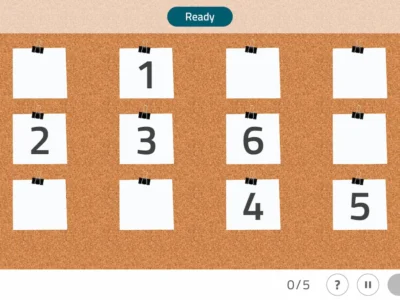
Here are some NeuronUP activities for practicing episodic memory, with versions for adults and children. They ask users to memorize names, sequences, or locations and recall them later. Professionals can adjust the difficulty from session to session based on each person’s performance and goals.
Remember the Names (text)
Episodic memory
Memorize the names of the people shown.
Press Conference
Episodic memory · Working memory
Remember the order in which the journalists raised their hands to speak and reproduce it.
Spatial Location
Episodic memory
Precisely remember the location of the figures shown earlier.
Learning Names (text)
Episodic memory
Memorize the names of the people shown.
Who raised their hand?
Episodic memory · Working memory
Remember the order of the children who raised their hands and reproduce it.
Find the Fish
Episodic memory
Precisely remember where the fish appear.
Learn more about
NeuronUP


Frequently asked questions about episodic memory
What is episodic memory?
It is the memory of events we have experienced, together with their place and time: what happened, where, and when. It allows us to mentally relive an episode from the past, such as yesterday’s meal or a recent conversation.
What is episodic memory used for?
It helps us navigate everyday life: knowing what we have done, following a conversation, remembering whether we have taken our medication, or where we left things. It also supports our personal history and helps us imagine and plan for the future based on our experiences.
What is the difference between episodic and semantic memory?
Episodic memory stores personal experiences tied to a time and place; semantic memory stores general knowledge, such as word meanings or facts we know, without remembering when we learned them. Both are part of declarative memory.
What are some examples of episodic memory?
Remembering what we had for dinner yesterday, where we left the car, what we were told on the phone this morning, or what the first day at a new job was like.
What is recent episodic memory?
It is the memory of what happened in the past few hours or days, such as what we ate today or a conversation yesterday. It depends heavily on the hippocampus and is the first to fail in the typical form of Alzheimer’s disease, while memories from years ago are preserved longer.
Where in the brain is episodic memory located?
It depends primarily on the hippocampus and medial temporal lobe structures, which link the elements of each episode. The prefrontal and parietal cortex are involved in storing and retrieving memories.
What is verbal episodic memory?
It is episodic memory for verbal material, such as word lists or stories. It is assessed using list-learning tests, such as the TAVEC, RAVLT, or FCSRT, and story recall tests, such as Logical Memory. Left temporal lobe lesions tend to affect it more. It differs from visual episodic memory, which involves images, faces, or locations.
Why is episodic memory usually the first to be affected in Alzheimer’s disease?
Because in its typical form, the disease begins by damaging the entorhinal cortex and hippocampus, which are necessary for storing new memories. That is why recent events are usually the first to be forgotten, while older memories are more resistant. When the disease begins before age 65, it sometimes starts with language, vision, or behavior problems.
Can episodic memory be improved?
It depends on the cause and severity. After brain injury, rehabilitation mainly helps people compensate: strategies such as organizing information or turning it into images when the impairment is mild or moderate, and external aids, such as a planner or alarms, when it is severe. Cognitive stimulation and rehabilitation focused on personal goals can help in mild or moderate dementia. Exercises are useful when supervised by a professional and combined with strategies for everyday life.
Related articles


References (72)
- Alviarez-Schulze, V., Cattaneo, G., Pachón-García, C., Solana-Sánchez, J., Tormos, J. M., Pascual-Leone, A., & Bartrés-Faz, D. (2022). Validation and normative data of the Spanish version of the Rey Auditory Verbal Learning Test and associated long-term forgetting measures in middle-aged adults. Frontiers in Aging Neuroscience, 14, 809019. https://doi.org/10.3389/fnagi.2022.809019
- Arango-Lasprilla, J. C., Rivera, D., Garza, M. T., Saracho, C. P., Rodríguez, W., Rodríguez-Agudelo, Y., Aguayo, A., Schebela, S., Luna, M., Longoni, M., Martínez, C., Doyle, S., Ocampo-Barba, N., Galarza-del-Angel, J., Aliaga, A., Bringas, M., Esenarro, L., García-Egan, P., & Perrin, P. B. (2015). Hopkins Verbal Learning Test– Revised: Normative data for the Latin American Spanish speaking adult population. NeuroRehabilitation, 37(4), 699–718. https://doi.org/10.3233/NRE-151286
- Arts, N., Walvoort, S., & Kessels, R. (2017). Korsakoff’s syndrome: A critical review. Neuropsychiatric Disease and Treatment, 13, 2875–2890. https://doi.org/10.2147/NDT.S130078
- Baddeley, A. (2000). The episodic buffer: A new component of working memory? Trends in Cognitive Sciences, 4(11), 417–423. https://doi.org/10.1016/S1364-6613(00)01538-2
- Bahar-Fuchs, A., Martyr, A., Goh, A. M. Y., Sabates, J., & Clare, L. (2019). Cognitive training for people with mild to moderate dementia. Cochrane Database of Systematic Reviews, 2019(3), CD013069. https://doi.org/10.1002/14651858.CD013069.pub2
- Bauer, P. J., & Larkina, M. (2014). Childhood amnesia in the making: Different distributions of autobiographical memories in children and adults. Journal of Experimental Psychology: General, 143(2), 597–611. https://doi.org/10.1037/a0033307
- Benedet, M. J., & Alejandre, M. A. (2014). TAVEC: Test de Aprendizaje Verbal España-Complutense (2.ª ed. revisada). TEA Ediciones.
- Blumenfeld, R. S., & Ranganath, C. (2007). Prefrontal cortex and long-term memory encoding: An integrative review of findings from neuropsychology and neuroimaging. The Neuroscientist, 13(3), 280–291. https://doi.org/10.1177/1073858407299290
- Braak, H., & Braak, E. (1991). Neuropathological stageing of Alzheimer-related changes. Acta Neuropathologica, 82(4), 239–259. https://doi.org/10.1007/BF00308809
- Brown, R., & Kulik, J. (1977). Flashbulb memories. Cognition, 5(1), 73–99. https://doi.org/10.1016/0010-0277(77)90018-X
- Burt, D. B., Zembar, M. J., & Niederehe, G. (1995). Depression and memory impairment: A meta-analysis of the association, its pattern, and specificity. Psychological Bulletin, 117(2), 285–305. https://doi.org/10.1037/0033-2909.117.2.285
- Carlesimo, G. A., Lombardi, M. G., & Caltagirone, C. (2011). Vascular thalamic amnesia: A reappraisal. Neuropsychologia, 49(5), 777–789. https://doi.org/10.1016/j.neuropsychologia.2011.01.026
- Cicerone, K. D., Goldin, Y., Ganci, K., Rosenbaum, A., Wethe, J. V., Langenbahn, D. M., Malec, J. F., Bergquist, T. F., Kingsley, K., Nagele, D., Trexler, L., Fraas, M., Bogdanova, Y., & Harley, J. P. (2019). Evidence-based cognitive rehabilitation: Systematic review of the literature from 2009 through 2014. Archives of Physical Medicine and Rehabilitation, 100(8), 1515–1533. https://doi.org/10.1016/j.apmr.2019.02.011
- Clare, L., & Jones, R. S. P. (2008). Errorless learning in the rehabilitation of memory impairment: A critical review. Neuropsychology Review, 18(1), 1–23. https://doi.org/10.1007/s11065-008-9051-4
- Conway, M. A., & Pleydell-Pearce, C. W. (2000). The construction of autobiographical memories in the self-memory system. Psychological Review, 107(2), 261–288. https://doi.org/10.1037/0033-295X.107.2.261
- Corkin, S. (2002). What’s new with the amnesic patient H.M.? Nature Reviews Neuroscience, 3(2), 153–160. https://doi.org/10.1038/nrn726
- Crowe, S. F., & Stranks, E. K. (2018). The residual medium and long-term cognitive effects of benzodiazepine use: An updated meta-analysis. Archives of Clinical Neuropsychology, 33(7), 901–911. https://doi.org/10.1093/arclin/acx120
- de Werd, M. M. E., Boelen, D., Olde Rikkert, M. G. M., & Kessels, R. P. C. (2013). Errorless learning of everyday tasks in people with dementia. Clinical Interventions in Aging, 8, 1177–1190. https://doi.org/10.2147/CIA.S46809
- Dillon, D. G., & Pizzagalli, D. A. (2018). Mechanisms of memory disruption in depression. Trends in Neurosciences, 41(3), 137–149. https://doi.org/10.1016/j.tins.2017.12.006
- Dubois, B., Feldman, H. H., Jacova, C., Hampel, H., Molinuevo, J. L., Blennow, K., DeKosky, S. T., Gauthier, S., Selkoe, D., Bateman, R., Cappa, S., Crutch, S., Engelborghs, S., Frisoni, G. B., Fox, N. C., Galasko, D., Habert, M.-O., Jicha, G. A., Nordberg, A., . . . Cummings, J. L. (2014). Advancing research diagnostic criteria for Alzheimer’s disease: The IWG-2 criteria. The Lancet Neurology, 13(6), 614–629. https://doi.org/10.1016/S1474-4422(14)70090-0
- Eichenbaum, H., Yonelinas, A. P., & Ranganath, C. (2007). The medial temporal lobe and recognition memory. Annual Review of Neuroscience, 30, 123–152. https://doi.org/10.1146/annurev.neuro.30.051606.094328
- Einstein, G. O., & McDaniel, M. A. (2005). Prospective memory. Current Directions in Psychological Science, 14(6), 286–290. https://doi.org/10.1111/j.0963-7214.2005.00382.x
- Fox, C., Richardson, K., Maidment, I. D., Savva, G. M., Matthews, F. E., Smithard, D., Coulton, S., Katona, C., Boustani, M. A., & Brayne, C. (2011). Anticholinergic medication use and cognitive impairment in the older population: The Medical Research Council Cognitive Function and Ageing Study. Journal of the American Geriatrics Society, 59(8), 1477–1483. https://doi.org/10.1111/j.1532-5415.2011.03491.x
- Ghetti, S., & Bunge, S. A. (2012). Neural changes underlying the development of episodic memory during middle childhood. Developmental Cognitive Neuroscience, 2(4), 381–395. https://doi.org/10.1016/j.dcn.2012.05.002
- Graff-Radford, J., Yong, K. X. X., Apostolova, L. G., Bouwman, F. H., Carrillo, M., Dickerson, B. C., Rabinovici, G. D., Schott, J. M., Jones, D. T., & Murray, M. E. (2021). New insights into atypical Alzheimer’s disease in the era of biomarkers. The Lancet Neurology, 20(3), 222–234. https://doi.org/10.1016/S1474-4422(20)30440-3
- Grober, E., & Buschke, H. (1987). Genuine memory deficits in dementia. Developmental Neuropsychology, 3(1), 13–36. https://doi.org/10.1080/87565648709540361
- Hassabis, D., Kumaran, D., Vann, S. D., & Maguire, E. A. (2007). Patients with hippocampal amnesia cannot imagine new experiences. Proceedings of the National Academy of Sciences, 104(5), 1726–1731. https://doi.org/10.1073/pnas.0610561104
- Hodges, J. R., & Patterson, K. (2007). Semantic dementia: A unique clinicopathological syndrome. The Lancet Neurology, 6(11), 1004–1014. https://doi.org/10.1016/S1474-4422(07)70266-1
- Irish, M., Addis, D. R., Hodges, J. R., & Piguet, O. (2012). Considering the role of semantic memory in episodic future thinking: Evidence from semantic dementia. Brain, 135(7), 2178–2191. https://doi.org/10.1093/brain/aws119
- Kopelman, M. D., Wilson, B. A., & Baddeley, A. D. (1989). The autobiographical memory interview: A new assessment of autobiographical and personal semantic memory in amnesic patients. Journal of Clinical and Experimental Neuropsychology, 11(5), 724–744. https://doi.org/10.1080/01688638908400928
- Kopelman, M. D. (2002). Disorders of memory. Brain, 125(10), 2152–2190. https://doi.org/10.1093/brain/awf229
- Kudlicka, A., Martyr, A., Bahar-Fuchs, A., Sabates, J., Woods, B., & Clare, L. (2023). Cognitive rehabilitation for people with mild to moderate dementia. Cochrane Database of Systematic Reviews, 2023(6), CD013388. https://doi.org/10.1002/14651858.CD013388.pub2
- Lambon Ralph, M. A., Jefferies, E., Patterson, K., & Rogers, T. T. (2017). The neural and computational bases of semantic cognition. Nature Reviews Neuroscience, 18(1), 42–55. https://doi.org/10.1038/nrn.2016.150
- Levine, B., Svoboda, E., Hay, J. F., Winocur, G., & Moscovitch, M. (2002). Aging and autobiographical memory: Dissociating episodic from semantic retrieval. Psychology and Aging, 17(4), 677–689. https://doi.org/10.1037/0882-7974.17.4.677
- McWhirter, L., Ritchie, C., Stone, J., & Carson, A. (2020). Functional cognitive disorders: A systematic review. The Lancet Psychiatry, 7(2), 191–207. https://doi.org/10.1016/S2215-0366(19)30405-5
- Moscovitch, M., Cabeza, R., Winocur, G., & Nadel, L. (2016). Episodic memory and beyond: The hippocampus and neocortex in transformation. Annual Review of Psychology, 67, 105–134. https://doi.org/10.1146/annurev-psych-113011-143733
- National Institute for Health and Care Excellence. (2018). Dementia: Assessment, management and support for people living with dementia and their carers (NICE guideline NG97). https://www.nice.org.uk/guidance/ng97
- Nieto Barco, A., Hernández Rodríguez, E., Hernández Torres, A., Velasco Rodríguez-Solís, P., Hess Medler, S., Machado Fernández, A., Molina Rodríguez, Y., & Barroso Ribal, J. (2014). Versión paralela del test de aprendizaje verbal España-Complutense (TAVEC). Revista de Neurología, 58(9), 389–395. https://doi.org/10.33588/rn.5809.2013568
- Nyberg, L., Lövdén, M., Riklund, K., Lindenberger, U., & Bäckman, L. (2012). Memory aging and brain maintenance. Trends in Cognitive Sciences, 16(5), 292–305. https://doi.org/10.1016/j.tics.2012.04.005
- Oren, S., Willerton, C., & Small, J. (2014). Effects of spaced retrieval training on semantic memory in Alzheimer’s disease: A systematic review. Journal of Speech, Language, and Hearing Research, 57(1), 247–270. https://doi.org/10.1044/1092-4388(2013/12-0352)
- Palomo, R., Casals-Coll, M., Sánchez-Benavides, G., Quintana, M., Manero, R. M., Rognoni, T., Calvo, L., Aranciva, F., Tamayo, F., & Peña-Casanova, J. (2013). Estudios normativos españoles en población adulta joven (proyecto NEURONORMA jóvenes): Normas para las pruebas Rey-Osterrieth Complex Figure (copia y memoria) y Free and Cued Selective Reminding Test. Neurología, 28(4), 226–235. https://doi.org/10.1016/j.nrl.2012.03.008
- Peña-Casanova, J., Gramunt-Fombuena, N., Quiñones-Úbeda, S., Sánchez-Benavides, G., Aguilar, M., Badenes, D., Molinuevo, J. L., Robles, A., Barquero, M. S., Payno, M., Antúnez, C., Martínez-Parra, C., Frank-García, A., Fernández, M., Alfonso, V., Sol, J. M., Blesa, R., & NEURONORMA Study Team. (2009). Spanish Multicenter Normative Studies (NEURONORMA Project): Norms for the Rey–Osterrieth Complex Figure (copy and memory), and Free and Cued Selective Reminding Test. Archives of Clinical Neuropsychology, 24(4), 371–393. https://doi.org/10.1093/arclin/acp041
- Rasch, B., & Born, J. (2013). About sleep’s role in memory. Physiological Reviews, 93(2), 681–766. https://doi.org/10.1152/physrev.00032.2012
- Renoult, L., Davidson, P. S. R., Palombo, D. J., Moscovitch, M., & Levine, B. (2012). Personal semantics: At the crossroads of semantic and episodic memory. Trends in Cognitive Sciences, 16(11), 550–558. https://doi.org/10.1016/j.tics.2012.09.003
- Renoult, L., Irish, M., Moscovitch, M., & Rugg, M. D. (2019). From knowing to remembering: The semantic–episodic distinction. Trends in Cognitive Sciences, 23(12), 1041–1057. https://doi.org/10.1016/j.tics.2019.09.008
- Rivera, D., Perrin, P. B., Morlett-Paredes, A., Galarza-del-Angel, J., Martínez, C., Garza, M. T., Saracho, C. P., Rodríguez, W., Rodríguez-Agudelo, Y., Rábago, B., Aliaga, A., Schebela, S., Luna, M., Longoni, M., Ocampo-Barba, N., Fernández, E., Esenarro, L., García-Egan, P., & Arango-Lasprilla, J. C. (2015). Rey–Osterrieth Complex Figure – copy and immediate recall: Normative data for the Latin American Spanish speaking adult population. NeuroRehabilitation, 37(4), 677–698. https://doi.org/10.3233/NRE-151285
- Rönnlund, M., Nyberg, L., Bäckman, L., & Nilsson, L.-G. (2005). Stability, growth, and decline in adult life span development of declarative memory: Cross-sectional and longitudinal data from a population-based study. Psychology and Aging, 20(1), 3–18. https://doi.org/10.1037/0882-7974.20.1.3
- Rosenbaum, R. S., Köhler, S., Schacter, D. L., Moscovitch, M., Westmacott, R., Black, S. E., Gao, F., & Tulving, E. (2005). The case of K.C.: Contributions of a memory-impaired person to memory theory. Neuropsychologia, 43(7), 989–1021. https://doi.org/10.1016/j.neuropsychologia.2004.10.007
- Rugg, M. D., & Vilberg, K. L. (2013). Brain networks underlying episodic memory retrieval. Current Opinion in Neurobiology, 23(2), 255–260. https://doi.org/10.1016/j.conb.2012.11.005
- Saling, M. M. (2009). Verbal memory in mesial temporal lobe epilepsy: Beyond material specificity. Brain, 132(3), 570–582. https://doi.org/10.1093/brain/awp012
- Sarazin, M., Berr, C., De Rotrou, J., Fabrigoule, C., Pasquier, F., Legrain, S., Michel, B., Puel, M., Volteau, M., Touchon, J., Verny, M., & Dubois, B. (2007). Amnestic syndrome of the medial temporal type identifies prodromal AD: A longitudinal study. Neurology, 69(19), 1859–1867. https://doi.org/10.1212/01.wnl.0000279336.36610.f7
- Schacter, D. L., Addis, D. R., & Buckner, R. L. (2007). Remembering the past to imagine the future: The prospective brain. Nature Reviews Neuroscience, 8(9), 657–661. https://doi.org/10.1038/nrn2213
- Schacter, D. L., & Addis, D. R. (2007). The cognitive neuroscience of constructive memory: Remembering the past and imagining the future. Philosophical Transactions of the Royal Society B: Biological Sciences, 362(1481), 773–786. https://doi.org/10.1098/rstb.2007.2087
- Scoville, W. B., & Milner, B. (1957). Loss of recent memory after bilateral hippocampal lesions. Journal of Neurology, Neurosurgery & Psychiatry, 20(1), 11–21. https://doi.org/10.1136/jnnp.20.1.11
- Sherman, E. M. S., Wiebe, S., Fay-McClymont, T. B., Tellez-Zenteno, J., Metcalfe, A., Hernandez-Ronquillo, L., Hader, W. J., & Jetté, N. (2011). Neuropsychological outcomes after epilepsy surgery: Systematic review and pooled estimates. Epilepsia, 52(5), 857–869. https://doi.org/10.1111/j.1528-1167.2011.03022.x
- Shields, G. S., Sazma, M. A., McCullough, A. M., & Yonelinas, A. P. (2017). The effects of acute stress on episodic memory: A meta-analysis and integrative review. Psychological Bulletin, 143(6), 636–675. https://doi.org/10.1037/bul0000100
- Squire, L. R. (2004). Memory systems of the brain: A brief history and current perspective. Neurobiology of Learning and Memory, 82(3), 171–177. https://doi.org/10.1016/j.nlm.2004.06.005
- Squire, L. R., Genzel, L., Wixted, J. T., & Morris, R. G. (2015). Memory consolidation. Cold Spring Harbor Perspectives in Biology, 7(8), a021766. https://doi.org/10.1101/cshperspect.a021766
- Sumowski, J. F., Chiaravalloti, N., & DeLuca, J. (2010). Retrieval practice improves memory in multiple sclerosis: Clinical application of the testing effect. Neuropsychology, 24(2), 267–272. https://doi.org/10.1037/a0017533
- Talarico, J. M., & Rubin, D. C. (2003). Confidence, not consistency, characterizes flashbulb memories. Psychological Science, 14(5), 455–461. https://doi.org/10.1111/1467-9280.02453
- Teyler, T. J., & DiScenna, P. (1986). The hippocampal memory indexing theory. Behavioral Neuroscience, 100(2), 147–154. https://doi.org/10.1037/0735-7044.100.2.147
- Teyler, T. J., & Rudy, J. W. (2007). The hippocampal indexing theory and episodic memory: Updating the index. Hippocampus, 17(12), 1158–1169. https://doi.org/10.1002/hipo.20350
- Tulving, E. (1972). Episodic and semantic memory. In E. Tulving and W. Donaldson (Eds.), Organization of memory (pp. 381–403). Academic Press.
- Tulving, E. (1985). Memory and consciousness. Canadian Psychology / Psychologie canadienne, 26(1), 1–12. https://doi.org/10.1037/h0080017
- Velikonja, D., Ponsford, J., Janzen, S., Harnett, A., Patsakos, E., Kennedy, M., Togher, L., Teasell, R., McIntyre, A., Welch-West, P., Kua, A., & Bayley, M. T. (2023). INCOG 2.0 guidelines for cognitive rehabilitation following traumatic brain injury, Part V: Memory. Journal of Head Trauma Rehabilitation, 38(1), 83–102. https://doi.org/10.1097/HTR.0000000000000837
- Vakil, E. (2005). The effect of moderate to severe traumatic brain injury (TBI) on different aspects of memory: A selective review. Journal of Clinical and Experimental Neuropsychology, 27(8), 977–1021. https://doi.org/10.1080/13803390490919245
- Wechsler, D. (2013). WMS-IV: Escala de memoria de Wechsler-IV (Spanish adaptation: Pearson Clinical & Talent Assessment R&D Department). Pearson Educación.
- Willment, K. C., & Golby, A. (2013). Hemispheric lateralization interrupted: Material-specific memory deficits in temporal lobe epilepsy. Frontiers in Human Neuroscience, 7, 546. https://doi.org/10.3389/fnhum.2013.00546
- Winocur, G., & Moscovitch, M. (2011). Memory transformation and systems consolidation. Journal of the International Neuropsychological Society, 17(5), 766–780. https://doi.org/10.1017/S1355617711000683
- Woods, B., O’Philbin, L., Farrell, E. M., Spector, A. E., & Orrell, M. (2018). Reminiscence therapy for dementia. Cochrane Database of Systematic Reviews, 2018(3), CD001120. https://doi.org/10.1002/14651858.CD001120.pub3
- Woods, B., Rai, H. K., Elliott, E., Aguirre, E., Orrell, M., & Spector, A. (2023). Cognitive stimulation to improve cognitive functioning in people with dementia. Cochrane Database of Systematic Reviews, 2023(1), CD005562. https://doi.org/10.1002/14651858.CD005562.pub3
- Yates, T. S., Fel, J., Choi, D., Trach, J. E., Behm, L., Ellis, C. T., & Turk-Browne, N. B. (2025). Hippocampal encoding of memories in human infants. Science, 387(6740), 1316–1320. https://doi.org/10.1126/science.adt7570
Other cognitive functions