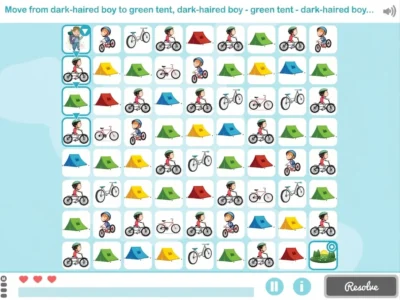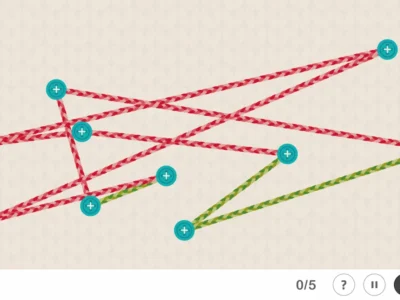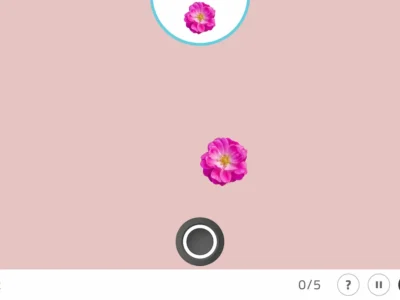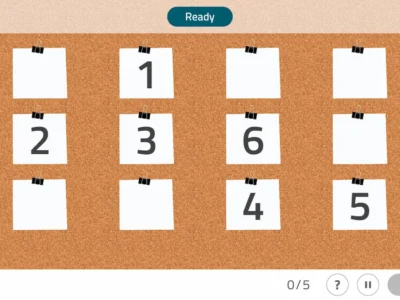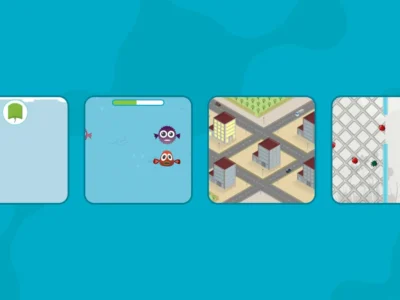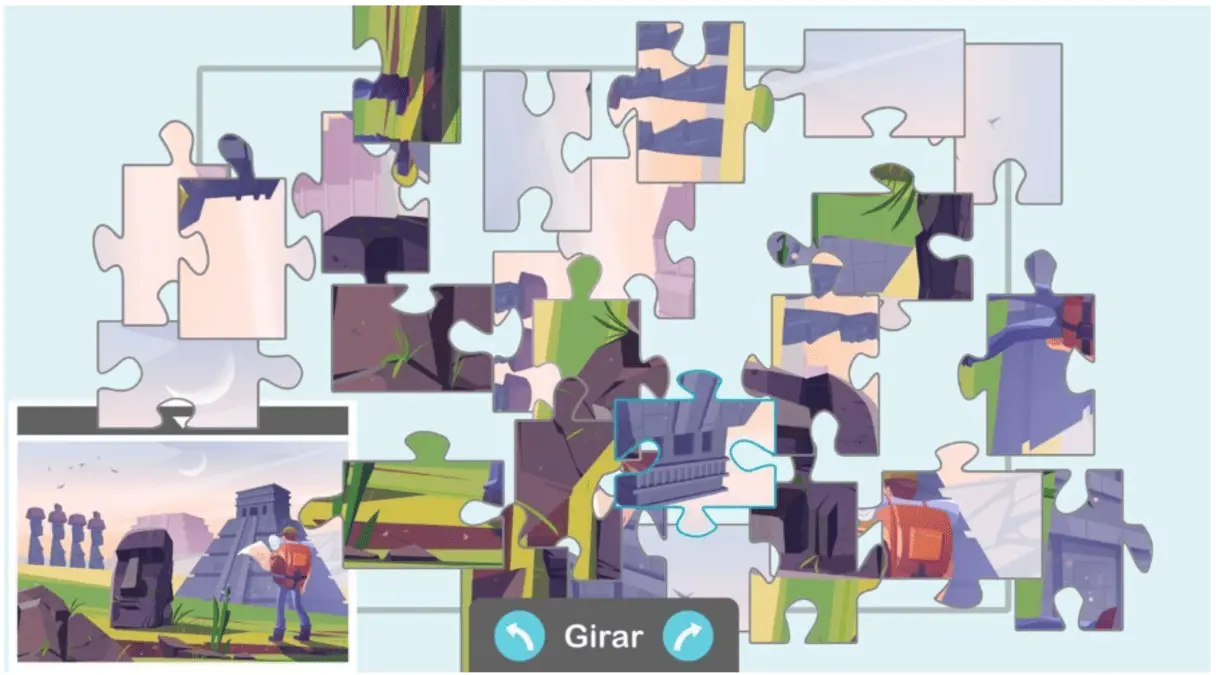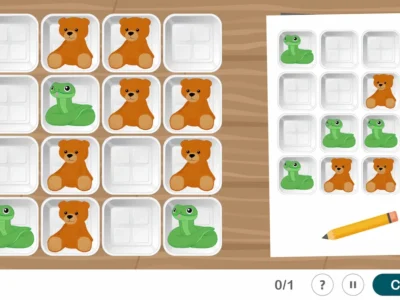


In relation to visuospatial skills, we work with two important concepts, which are:
- Spatial relations: ability to mentally represent and manipulate objects in two dimensions.
- Spatial visualization: ability to mentally represent and manipulate objects in three dimensions.
What are visuospatial skills used for?
Visuospatial skills are very useful in our day-to-day life. Thanks to them, we control the distance that may exist between two objects, which can be very useful, for example, when parking to control the space we have between our car and the obstacles around it. We also use visuospatial abilities when imagining a place or direction that someone is talking to us about, or when we need to mentally rotate objects to know how they might look before doing it.
NeuronUP exercises to rehabilitate visuospatial skills
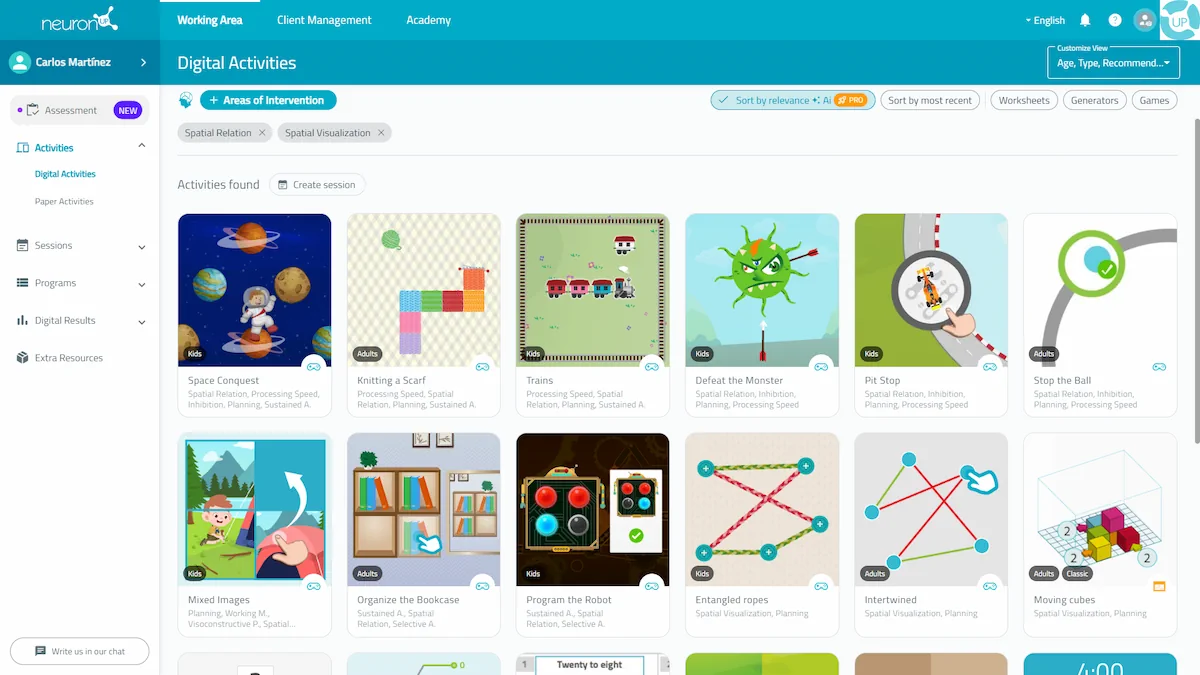
Two examples of spatial relations exercises. The first exercise consists of calculating the exact moment when an element (the ball) passes through a specific point. In the second exercise, we show a spatial visualization activity that consists of calculating how a series of cubes would look after moving some of them.