
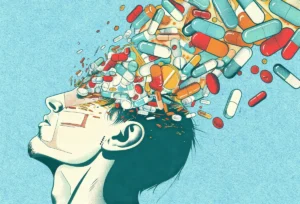
Valeria Medina, a NeuronUP neuropsychologist, explores how addictions affect the brain and cognition, and how neurorehabilitation helps prevent relapse.
Introduction
Addictions represent one of the most complex clinical and social challenges today. Understanding them requires a broad perspective encompassing biology, behavior, context, and cognition. We now know that addiction is not a moral failing or a problem of willpower, but a chronic medical condition that alters brain systems involved in learning, motivation, decision-making, and impulse control, producing a cycle of use that becomes increasingly difficult to stop. This integrative view is supported by years of neurobiological, clinical, and cognitive research, as noted by Gould (2010) and the neuropsychobiological proposals established by the Surgeon General’s Report (2016).
What is an addiction, and when is it considered a substance use disorder (SUD)?
Addiction, or substance use disorder, is characterized by a pattern of use that a person cannot control despite its negative effects on health, well-being, social life, or occupational functioning. Progressive loss of control, persistent craving, and continued use despite harm show that the behavior no longer results solely from voluntary choice, but from profound changes in the brain circuits that guide behavior (Mayo Clinic Staff, 2025).
The most common symptoms include repeatedly seeking the substance, increasing the dose to obtain the same effects, abandoning meaningful activities, and experiencing withdrawal symptoms when attempting to stop using. This clinical picture aligns with contemporary models that describe addiction as a maladaptive learning disorder, in which drug-related cues acquire excessive and disproportionate motivational value, generating a sense of urgency that is difficult to resist (Gould, 2010).
Not everyone who uses substances develops an addiction. As George and Koob (2017) explain, genetic factors, early experiences, emotional vulnerabilities, chronic stress, and substance availability all play a role. In addition, use during adolescence, a stage when the brain’s systems for control and self-regulation have not yet matured, notably increases risk (Surgeon General’s Report, 2016).
The neurobiology of addiction: how substance use affects the brain
From a neurobiological perspective, addiction is based on functional and structural changes in three major systems: reward circuits, stress systems, and executive control mechanisms. These areas form an interconnected system that, when disrupted, makes it easier for the addictive cycle to recur and intensify.
Substances intensely activate the dopaminergic system of the ventral striatum, particularly the nucleus accumbens, generating a sense of reward far greater than that produced by natural reinforcers. Over time, neuroadaptations make the reward system less sensitive to ordinary stimuli, contributing to apathy and loss of interest in activities unrelated to substance use (Surgeon General’s Report). This explains why many people describe a life that progressively narrows around the substance.
The stress system, located mainly in the amygdala, becomes more reactive with prolonged use. This hyperactivation intensifies emotions such as anxiety, irritability, and distress during withdrawal, increasing the urge to use in order to relieve these aversive states. George and Koob (2017) point out that this transition from positive reinforcement to negative reinforcement is one of the central milestones in the progression to chronic addiction.
In addition, continued use affects the prefrontal cortex, which is involved in self-regulation, planning, and decision-making. As Perry and Lawrence (2017) describe, impairment in executive functions promotes impulsive decisions, a reduced ability to anticipate consequences, and greater difficulty inhibiting the automatic urge to use. These changes explain both loss of control and vulnerability to relapse.
Cognitive difficulties associated with addiction and their functional impact
Addictions have a profound and persistent impact on cognition. These changes are not secondary, but central to the disorder itself, affecting self-control, decision-making, and emotional regulation, and significantly increasing the risk of relapse. Evidence shows that these impairments can appear during active use and persist even after prolonged periods of abstinence (Gould, 2010; Perry y Lawrence, 2017).
Executive functions and decision-making in substance use
Executive functions are particularly vulnerable. Changes in the prefrontal cortex and frontostriatal circuits reduce the ability to plan, inhibit impulses, and assess risks. As George and Koob (2017) describe, this executive dysfunction turns everyday decisions into challenges, promoting automatic responses associated with use and making it harder to resist triggers. Working memory and the ability to learn new coping strategies are also affected. People have greater difficulty retaining relevant information, following treatment guidelines, and updating the internal representations needed to sustain behavioral change (Verdejo-García et al., 2019). This directly affects treatment adherence.
Attention is also compromised. There is a reduced ability to maintain concentration during prolonged tasks and a pronounced attentional bias toward substance-related cues, which can trigger craving even in the absence of an intention to use (Gould, 2010). This “attentional capture” is one of the mechanisms that most contributes to vulnerability to relapse.
Other processes that may be impaired include cognitive flexibility and decision-making. Perry and Lawrence (2017) describe how cognitive rigidity and a bias toward immediate rewards lead people to persist in harmful behaviors even when they recognize the negative consequences. This heightened sensitivity to immediate rewards is closely related to changes in the orbitofrontal cortex and striatum.
Finally, these cognitive difficulties affect emotional regulation. A more disconnected prefrontal cortex and a hyperreactive amygdala promote overwhelming responses to stress, increasing the likelihood of turning to the substance for rapid relief (George y Koob, 2017).
Taken together, these difficulties not only impair daily life but also affect treatment effectiveness. The literature indicates that executive and attentional difficulties are associated with lower treatment adherence and a higher risk of relapse, underscoring the need to integrate cognitive rehabilitation as an essential component of clinical care (Perry y Lawrence, 2017; Sampedro-Piquero et al., 2019).
Dual diagnosis: addictions and co-occurring mental disorders
A significant proportion of people with addictions also have other mental disorders. This coexistence, known as dual diagnosis (or dual disorder), means that the addiction and the mental disorder interact, reinforce one another, and complicate clinical progression. Szerman et al. (2022) emphasize that dual diagnosis should not be understood as two separate problems, but as an integrated condition with shared neurobiological and behavioral mechanisms.
Depressive and anxiety disorders, attention-deficit/hyperactivity disorder, and trauma-related disorders are among the most common. Many people use substances to relieve emotional symptoms, producing temporary relief but worsening both psychological distress and substance use over the long term. Treatment should always address both components, since treating only the addiction or only the mental disorder considerably reduces therapeutic effectiveness.

Subscribe
to our
Newsletter
Treatment of substance use disorder: beyond abstinence
Today, addiction treatment is understood as a comprehensive process combining medical, psychological, social, and cognitive interventions. No single intervention is sufficient because addiction affects the body, brain, relationships, and identity. According to the Surgeon General’s Report (2016), the most effective approaches combine evidence-based psychotherapy, medication when indicated, and ongoing support programs:
- Cognitive behavioral psychotherapy helps identify patterns of use, manage difficult emotions, and develop strategies for solving problems without turning to the substance.
- In some cases, pharmacological treatments help reduce craving or stabilize associated symptoms.
- Participation in support networks or therapy groups promotes adherence and reduces isolation.
As Semaan and Khan (2025) point out, the key is a flexible approach that adapts goals and methods to individual needs and evolves over time.
Cognitive neurorehabilitation in addiction: clinical benefits and relapse prevention
Cognitive neurorehabilitation is a central pillar in addiction treatment because it directly addresses the cognitive difficulties that sustain substance use.
Neuropsychological assessment in people with addictions
To be truly effective, the process must begin with a comprehensive neuropsychological assessment, since impairment profiles vary widely among people with addictions depending on each person’s context and the substance used. This assessment identifies impaired functions, strengths, and areas to prioritize in intervention (Verdejo-García et al., 2019). Without this initial analysis, there is a risk of applying generic programs that do not address each person’s actual needs.
Cognitive rehabilitation in people with addictions
Neuroplasticity is the foundation of rehabilitation. Despite the impact of chronic use, the brain retains the capacity to reorganize, so appropriate training can strengthen affected networks such as the frontostriatal networks and prefrontal cortex (Gould, 2010). The intervention focuses especially on attention, working memory, cognitive flexibility, and decision-making, essential functions for regulating impulses, weighing consequences, and managing high-risk situations. Improving them helps break the cycle in which cognitive impairment promotes substance use and substance use further damages these functions (Perry y Lawrence, 2017). An equally important goal is to reduce reactivity to substance-related cues.
Benefits of neurorehabilitation for people with addictions
Strengthening prefrontal control helps modulate the automatic responses of the motivational system, restoring the balance between impulse and self-regulation and increasing the ability to resist craving and high-risk situations (George y Koob, 2017). This is complemented by improved self-efficacy, since as people notice changes in their cognitive performance, their sense of ability to maintain abstinence grows.
Finally, neurorehabilitation can support relapse treatment; more than sixty percent of people in treatment relapse during the first year due to persistent brain changes, increased sensitivity to substance-related cues, and vulnerability to stress, according to data from the Surgeon General’s Report (2016). Relapses often occur when a person is exposed to contexts previously associated with use, when intense emotions arise, or when executive control is impaired. Difficulties with impulsivity and decision-making increase risk, in line with Perry and Lawrence (2017), making cognitive work essential for prevention.
The benefits of neurorehabilitation do not replace standard therapies; they enhance them. They act directly on the disorder’s neurobiological substrate, promoting recovery that extends beyond controlling substance use and has a global impact on daily functioning. Verdejo-García et al. (2019) note that restoring the ability to weigh consequences, resist impulses, and regulate affect is key to preventing relapse. Consistently, Perry and Lawrence (2017) underscore the importance of breaking the circular link between cognitive impairment and addictive behaviors to prevent a return to previous patterns.
Overall, neurorehabilitation improves cognitive functioning, strengthens treatment adherence, and directly helps reduce the likelihood of relapse. When based on accurate assessment and an individualized plan, it becomes an essential element of long-term functional recovery and helps people build a more stable, coherent life free from substance use.
Conclusion
Understanding addiction from its multiple dimensions allows us to offer more humane, effective interventions tailored to the reality of those affected. Current research shows that addiction involves profound brain changes affecting motivation, learning, and emotional regulation, generating patterns of use that are difficult to control. However, it also shows that the brain can recover, especially when therapeutic treatments are combined with cognitive rehabilitation programs and robust relapse-prevention strategies.
Whatever the situation, it is important to detect addiction early so that underlying factors can be addressed rather than limiting care to superficial solutions. Neurorehabilitation offers a hopeful path by strengthening essential cognitive functions that support decision-making and the ability to maintain abstinence. Within this framework, recovery becomes possible, enabling people to regain control, autonomy, and well-being.
References
- George, O., & Koob, G. F. (2017). Individual differences in the neuropsychopathology of addiction. Dialogues in Clinical Neuroscience, 19(3), 217–229. https://doi.org/10.31887/DCNS.2017.19.3/gkoob
- Gould, T. J. (2010). Addiction and cognition. Addiction Science & Clinical Practice, 5(2), 4–14.
- Hermens, D. F., & Lubman, D. I. (2018). The impact of substance use on adolescent brain development. Evidence-based Mental Health, 21, 61–63.
- Mayo Clinic Staff. (2025). Drug addiction (substance use disorder). Mayo Clinic.
- Perry, C. J., & Lawrence, A. J. (2017). Addiction, cognitive decline and therapy. Genes, Brain and Behavior, 16, 205–218. https://doi.org/10.1111/gbb.12325
- Restrepo, S., Rincón, D., & Sepúlveda, E. (2020). Cognitive training for the treatment of addictions mediated by ICT. Future Internet, 12(38).
- Sampedro-Piquero, P., et al. (2019). Impact of addiction on cognition and brain plasticity.
- Semaan, M., & Khan, R. (2025). Advances in addiction care.
- Surgeon General’s Report. (2016). Facing addiction in America: The neurobiology of substance use.
- Szerman, N., Torrens, M., Maldonado, R., et al. (2022). Addictive and other mental disorders. Translational Psychiatry, 12(446).
- Verdejo-García, A., Garcia-Fernandez, G., & Dom, G. (2019). Cognition and addiction. Dialogues in Clinical Neuroscience, 21(3), 281–290.
Frequently asked questions about addictions and their cognitive impact on the brain
1. What is substance use disorder (SUD)?
Substance use disorder (SUD) is a persistent pattern of use that is difficult to control despite negative consequences. It often includes craving, increased dosage, abandonment of activities, and withdrawal when attempting to stop. It is understood as a chronic medical condition involving changes in brain circuits related to learning and motivation.
2. How do substances alter the brain’s reward system?
Substances intensely activate the dopaminergic system of the ventral striatum and the nucleus accumbens. Over time, neuroadaptations emerge that reduce sensitivity to natural reinforcers, promoting apathy and loss of interest. These changes make it easier for the addictive cycle to recur.
3. What cognitive difficulties are common in addictions?
Impairments in executive functions, attention, working memory, cognitive flexibility, and decision-making are common. There may also be an attentional bias toward substance-related cues and poorer emotional regulation. These difficulties may persist even after prolonged periods of abstinence.
4. What is dual diagnosis in addictions?
Dual diagnosis in addictions refers to the coexistence of addiction with other mental disorders, such as depression, anxiety, ADHD, or trauma-related disorders. Both problems interact and reinforce one another, complicating clinical progression. Treatment should integrate both components to improve therapeutic effectiveness.
5. Why is neuropsychological assessment important in addictions?
Neuropsychological assessment is important in addictions because cognitive profiles vary according to the person, context, and substance. Assessment identifies impaired functions, strengths, and intervention priorities, reducing the risk of applying generic programs. It should be conducted by qualified professionals as part of a comprehensive treatment plan.
6. How does cognitive neurorehabilitation help prevent relapse in addictions?
Cognitive neurorehabilitation trains functions such as attention, working memory, flexibility, and decision-making to strengthen prefrontal control and modulate automatic responses. It can reduce reactivity to substance-use cues, improve adherence, and increase self-efficacy. It does not replace other therapies; it complements comprehensive medical and psychological care.

 The Most-Used NeuronUP Games in 2025
Leave a Reply