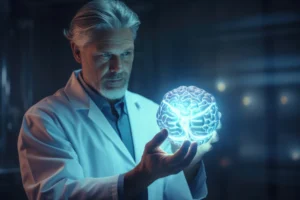
Neuropsychologist Ángel Carrasco Jacome explores how rTMS and tDCS can be adapted to the neurophysiological needs of each stage of the life cycle in neurorehabilitation.
rTMS and tDCS in neurorehabilitation represent the cutting edge of noninvasive brain stimulation, allowing neural activity to be modulated safely in an outpatient setting to treat various neurological dysfunctions. Through distinct mechanisms—rTMS using focal magnetic fields and tDCS using low-intensity direct current—these techniques promote neuroplasticity and the functional restructuring of brain connections.
What is neurostimulation in neurorehabilitation?
Neurostimulation is a set of noninvasive therapeutic techniques based on the use of magnetic or electrical impulses. These techniques can be administered in an outpatient setting and aim to modulate brain activity.
These techniques have been studied extensively in recent years to address neurological dysfunctions involving connectivity, activation, or inhibition in specific brain regions, such as bladder and bowel control, limb mobility, post-stroke language recovery, depression, obsessive-compulsive disorder, and other syndromes and disorders that affect people throughout the life cycle (Sabé et al., 2024).
Which brain stimulation techniques are most commonly used in clinical practice?
The most extensively studied brain stimulation techniques administered in an outpatient setting are transcranial magnetic stimulation (rTMS) and transcranial direct current stimulation (tDCS).
How does rTMS act on the cerebral cortex?
Transcranial magnetic stimulation (rTMS or TMS) uses coils of different shapes depending on the application and the precision required for treatment. These generate high-intensity, short-duration magnetic fields that pass through the scalp and act on the cerebral cortex (neural tissue), generating electrical currents in the target area and enabling direct excitatory or inhibitory modulation of neurons by generating or reducing action potentials in specific locations and networks (Klomjai et al., 2015).
Three types of pulses can be applied in rTMS to target brain regions through different therapeutic approaches. One of the most common therapeutic modalities is repetitive transcranial magnetic stimulation (rTMS), which delivers trains of pulses at specific frequencies to achieve lasting modulatory effects and changes in brain networks intended to remain stable. It is a highly precise application technique, especially when supported by tools such as neuronavigation systems or functional neuroimaging examinations that identify the networks to be modulated according to the therapeutic goals established by the multidisciplinary team.
How does tDCS act on neural activity?
Along the same lines, there is transcranial direct current stimulation (tDCS), which applies low-intensity direct electrical current (between 1 and 4 milliamperes). It is entirely safe for patients while still capable of producing changes in brain activity by modifying activation thresholds. This simple setup uses an anode, which depolarizes the membrane potential and thereby generates neural activity, and a cathode, which hyperpolarizes or inhibits the neuron. Unlike rTMS, tDCS acts by modulating activity without causing a neural action potential and has low spatial precision (Huang & Liu, 2025).
To address this limitation, high-definition tDCS (HD-tDCS) modalities use more electrodes to focus treatment on local networks.
Main clinical applications of rTMS and tDCS in neurorehabilitation
These techniques aim to produce specific changes in brain circuits by activating calcium channels, improving blood flow, and stimulating angiogenesis. They also increase the brain’s immune response through neurotrophic factors that activate neuroplasticity. This enables the functional and architectural restructuring of neural connections, supporting the development of skills and the recovery of cognitive functions to improve quality of life.
Therefore, the potential of neuromodulation as a neuropsychological tool focuses on an intervention that helps develop the “scaffolding” structure through which specific therapeutic actions, rehabilitation, and quality-of-life recovery can be carried out more effectively, reducing recovery time and harnessing all available tools to support spontaneous brain recovery, neural pruning in early life, and the recovery of established neural networks in older adults.
This raises a question that clinical and therapeutic trials have gradually begun to answer: Does it make sense to apply the same type of brain stimulation to a child and an older adult? The definitive answer is no, since each case has specific needs, especially when considering the neurophysiological requirements of each stage of the life cycle.

Subscribe
to our
Newsletter
rTMS and tDCS across the life cycle
Although brain plasticity is a process that continues throughout life, neuroscience research has shown that it is more active during the early years. In adulthood, plasticity reaches a state of stability and modification shaped by severe or stressful external factors. In older adulthood, although greatly reduced, it retains the potential to develop neural network responses, balance neural activity, and engage specialized functional networks.
rTMS and tDCS in children
During childhood, neurological conditions involving high dendritic synaptic density and active neural pruning, ongoing myelination through skill specialization, the inhibition of reflexes, cognitive development, and a high capacity for neural modification through practice and experience make this a stage highly responsive to therapeutic intervention. Such intervention should always use progressive, conservative, and controlled protocols that balance inhibitory and excitatory modulation and the generation of brain networks consistent with the prototypical, synchronous trajectory of neurodevelopment, while addressing therapeutic needs related to maturational or functional difficulties.
rTMS and tDCS make it possible to work from this network-based approach through an evolutionary therapeutic course that modulates somatosensory regulation, attentional networks, and language, followed by the modulation of executive, default mode, and emotional-support networks, simulating typical chronological development with the aim of reducing gaps in the development of skills and abilities.
A clear example is intervention for attention-deficit/hyperactivity disorder (ADHD) (Leffa et al., 2022), which targets attentional networks to improve performance and adaptation in school and family settings, followed by work on areas related to emotional regulation to develop self-regulation and metacognitive strategies.
rTMS and tDCS in adults
In adulthood, the stability and specialization of established brain regions, together with the potential for neural plasticity, play an important role in making therapeutic protocols more dependent on the specific symptoms being targeted, since the effects are more restricted to treatment targets with favorable responses.
Representative examples for this stage include protocols for depression, OCD, neuropathic pain, mild cognitive impairment, and post-stroke speech rehabilitation, which have high reproducibility and provide significant benefits for patients. This is due to the functional adaptability and cognitive performance optimization characteristic of adulthood.
rTMS and tDCS in older adults
In older adulthood, reductions in cognitive abilities, brain volume, conduction speed, and processing speed—which are currently understood to be influenced by two important factors, brain and cognitive reserve—together with neurodegenerative diseases or cognitive decline, make this stage of the life cycle one that requires neurostimulation processes continued over time. Repetition is essential, and accumulating sessions actively helps recover the simultaneous activation of networks, slowing the loss of abilities and seeking stability despite the limited capacity for brain plasticity.
These processes can strengthen residual or dysfunctional brain networks, helping compensate for cognitive decline and slowing, resulting in a more manageable disease course focused on maintaining autonomy, functioning, and quality of life for as long as possible.
In older adults, neuromodulation would have two key objectives: improving brain reserve as a preventive strategy for older adults with a family history of neurodegenerative diseases, chronic conditions such as hypertension or diabetes, or a history of depression or other neurological or psychiatric conditions. The goal is to compensate for decline, slow the loss of abilities, and maintain autonomy for as long as possible (Chou Y, 2022).
How to design a brain stimulation program with rTMS and tDCS
A brain stimulation program should consider essential steps and draw on all available information to personalize treatment as much as possible, align it with the expected therapeutic goals, and ensure that those goals are attainable (Rossi et al., 2021).
- The patient’s age is essential when selecting the treatment type and stimulation principle: at younger ages, network-based inhibitory and excitatory interventions; in middle adulthood, more focused protocols aimed at expected responses; and at advanced ages, network-based work to recover abilities and improve brain and cognitive reserve.
- Goals should be guided by behavior and progression protocols: at younger ages, intensities should be low and progressive according to development; in adulthood, intensity is stable and directed toward achieving results; and at advanced ages, intensity should be determined according to the cognitive ability to be rehabilitated or the network to be strengthened.
- Application time also follows a developmental course: a few minutes at younger ages (10 to 30 minutes during childhood), and protocols lasting up to 60 minutes in adulthood and older adulthood.
- Planning stimulation phases and therapeutic rest: rest phases are as important as stimulation phases because the evolution and adaptability of the entire neural circuit must be assessed, including the networks being targeted and those not initially involved in harmonization and compensation. This makes it possible to observe the full scope of treatment.
Conclusion
In conclusion, neuromodulation is an appropriate supportive technique for a more comprehensive intervention. It should be planned, supervised, and designed according to each patient’s needs, including all relevant signs, symptoms, and variables.
References
- Chou, Y. H., Sundman, M., Ton That, V., Green, J., & Trapani, C. (2022). Effects of non-invasive brain stimulation on cognitive function in healthy older adults: A systematic review and meta-analysis. Ageing Research Reviews, 79, 101660. https://doi.org/10.1016/j.arr.2022.101660
- Fregni, F., El-Hagrassy, M. M., Pacheco-Barrios, K., Carvalho, S., Leite, J., Simis, M., Brunelin, J., Nakamura-Palacios, E. M., Marangolo, P., Venkatasubramanian, G., San-Juan, D., Caumo, W., Bikson, M., Brunoni, A. R., & Neuromodulation Center Working Group. (2021). Evidence-based guidelines and secondary meta-analysis for the use of transcranial direct current stimulation in neurological and psychiatric disorders. International Journal of Neuropsychopharmacology, 24(4), 256–313. https://doi.org/10.1093/ijnp/pyaa051
- Huang, R., & Liu, Y. (2025). Physical and physiological principles of transcranial direct current stimulation (tDCS). Journal of Neural Transmission, 132(2), 237–251. https://doi.org/10.1007/s00702-024-02853-4
- Klomjai, W., Katz, R., & Lackmy-Vallée, A. (2015). Basic principles of transcranial magnetic stimulation (TMS). Annals of Physical and Rehabilitation Medicine, 58(4), 208–213. https://doi.org/10.1016/j.rehab.2015.05.005
- Lefaucheur, J. P., Aleman, A., Baeken, C., Benninger, D. H., Brunelin, J., Di Lazzaro, V., Filipović, S. R., Grefkes, C., Hasan, A., Hummel, F. C., Jääskeläinen, S. K., Langguth, B., Leocani, L., Londero, A., Nardone, R., Nguyen, J. P., Nyffeler, T., Oliveira-Maia, A. J., Oliviero, A., . . . Ziemann, U. (2020). Evidence-based guidelines on the therapeutic use of repetitive transcranial magnetic stimulation (rTMS): An update (2014-2018). Clinical Neurophysiology, 131(2), 474–528. https://doi.org/10.1016/j.clinph.2019.11.002
- Lefaucheur, J. P., André-Obadia, N., Antal, A., Ayache, S. S., Baeken, C., Benninger, D. H., Cantello, R. M., Cincotta, M., de Carvalho, M., De Ridder, D., Devanne, H., Di Lazzaro, V., . . . Garcia-Larrea, L. (2014). Evidence-based guidelines on the therapeutic use of repetitive transcranial magnetic stimulation (rTMS). Clinical Neurophysiology, 125(11), 2150–2206. https://doi.org/10.1016/j.clinph.2014.05.021
- Lefaucheur, J. P., Antal, A., Ayache, S. S., et al. (2017). Evidence-based guidelines on the therapeutic use of transcranial direct current stimulation (tDCS). Clinical Neurophysiology, 128(1), 56–92. https://doi.org/10.1016/j.clinph.2016.10.087
- Leffa, D. T., Grevet, E. H., Bau, C. H. D., Schneider, M., Ferrazza, C. P., da Silva, R. F., Miranda, M. S., Picon, F., Teche, S. P., Sanches, P., Pereira, D., Rubia, K., Brunoni, A. R., Camprodon, J. A., Caumo, W., & Rohde, L. A. (2022). Transcranial direct current stimulation for child and adolescent attention-deficit/hyperactivity disorder: A randomized clinical trial. JAMA Psychiatry, 79(9), 847–856. https://doi.org/10.1001/jamapsychiatry.2022.2055
- Nousia, A., Martzoukou, M., Liampas, I., Siokas, V., Bakirtzis, C., Nasios, G., & Dardiotis, E. (2021). The effectiveness of non-invasive brain stimulation alone or combined with cognitive training on the cognitive performance of patients with traumatic brain injury: A systematic review. Archives of Clinical Neuropsychology, acab047. https://doi.org/10.1093/arclin/acab047
- Rossi, S., Antal, A., Bestmann, S., Bikson, M., Brewer, C., Brockmöller, J., Carpenter, L. L., Cincotta, M., Chen, R., Daskalakis, J. D., Di Lazzaro, V., Fox, M. D., George, M. S., Gilbert, D. L., Kimiskidis, V. K., Koch, G., Lefaucheur, J. P., Lisanby, S. H., Mele, J. P., & Pascual-Leone, A. (2021). Safety and recommendations for prescribing non-invasive brain stimulation in clinical practice. Clinical Neurophysiology, 132(2), 567–606. https://doi.org/10.1016/j.clinph.2020.12.003
- Sanches, C., Stengel, C., Godard, J., et al. (2021). Past, present, and future of non-invasive brain stimulation approaches to treat cognitive impairment in neurodegenerative diseases: Time for a comprehensive critical review. Frontiers in Aging Neuroscience, 12, 578339. https://doi.org/10.3389/fnagi.2020.578339
- Ye, H., Dima, M., Hall, V., & Hendee, J. (2024). Cellular mechanisms underlying carry-over effects after magnetic stimulation. Scientific Reports, 14(1), 5167. https://doi.org/10.1038/s41598-024-55915-8
Frequently asked questions about rTMS and tDCS in neurorehabilitation
1. What is neurostimulation in neurorehabilitation?
Neurostimulation is a set of noninvasive therapeutic techniques based on magnetic or electrical impulses. They can be administered in an outpatient setting and aim to modulate brain activity. These techniques have been extensively studied to address neurological dysfunctions involving connectivity, activation, or inhibition in specific brain regions, including bladder and bowel control, limb mobility, post-stroke language recovery, depression, obsessive-compulsive disorder, and other syndromes and disorders affecting people throughout the life cycle.
2. What are the clinical differences between rTMS and tDCS in neurorehabilitation?
Transcranial magnetic stimulation (rTMS) allows more focal and deeper brain stimulation, making it especially useful in specific clinical protocols such as depression or post-stroke recovery. Transcranial direct current stimulation (tDCS), in contrast, has a more diffuse effect and is frequently used as a complementary supportive technique during cognitive rehabilitation.
3. When is rTMS or tDCS indicated for neurostimulation?
Whether these noninvasive therapies are indicated depends directly on the therapeutic goal, the patient’s condition, and the brain network involved in the dysfunction. They are currently used successfully in cases of stroke, ADHD, depression, obsessive-compulsive disorder (OCD), cognitive impairment, and neuropathic pain.
4. Is noninvasive brain stimulation safe for children?
Yes. Neurostimulation is safe for children when administered under rigorously controlled clinical protocols adapted to neurodevelopmental needs. In pediatric practice, low and progressive intensities are used to ensure treatment safety.
5. How many rTMS or tDCS neuromodulation sessions are needed to see results?
The therapeutic benefits of rTMS and tDCS are generally observed after several cumulative sessions. Although the exact number varies according to each patient’s clinical goal, standard protocols usually include between 10 and 30 treatment sessions.
6. Can rTMS or tDCS be combined with cognitive rehabilitation?
Yes. In fact, combining both is the most recommended option in clinical practice. Using neuromodulation together with cognitive training enhances therapeutic effects and significantly improves the transfer of recovered skills to the patient’s daily life.
7. How does age influence the response to brain stimulation?
Age is a determining factor because it affects the state of brain plasticity. In children, the therapeutic response is generally faster; in adults, effects are more focal; and in older adults, more repeated sessions are required to consolidate the effects of stimulation.
8. What factors are considered when designing a personalized stimulation protocol?
To design an effective program, it is essential to analyze the patient’s age, specific symptoms or signs, the neural network to be modulated, stimulation intensity, and the frequency of scheduled sessions.
9. Do rTMS and tDCS have side effects?
Both are considered safe, noninvasive techniques. If side effects occur, they are generally mild and transient, commonly presenting as a tingling sensation or slight discomfort in the treatment area.
10. Can neuromodulation prevent cognitive decline in older adults?
These techniques may contribute to improving cognitive reserve and helping slow functional decline. Their effectiveness is greater when applied in the early stages of decline and combined with comprehensive cognitive intervention.






 Cognitive Rehabilitation in Schizophrenia as a Pathway to Reintegration
Leave a Reply