
Find out which NeuronUP cognitive rehabilitation and stimulation games neurorehabilitation professionals have used the most to work with their users in 2025.
List of the 10 most used NeuronUP games in 2025
- Making Words
- Stop the Ball
- Fast Numbers
- Forming sentences
- Identify the piece
- Word Scramble
- Color Match
- Find the Monument
- Find the Double
- Fast Partners
1. Making Words
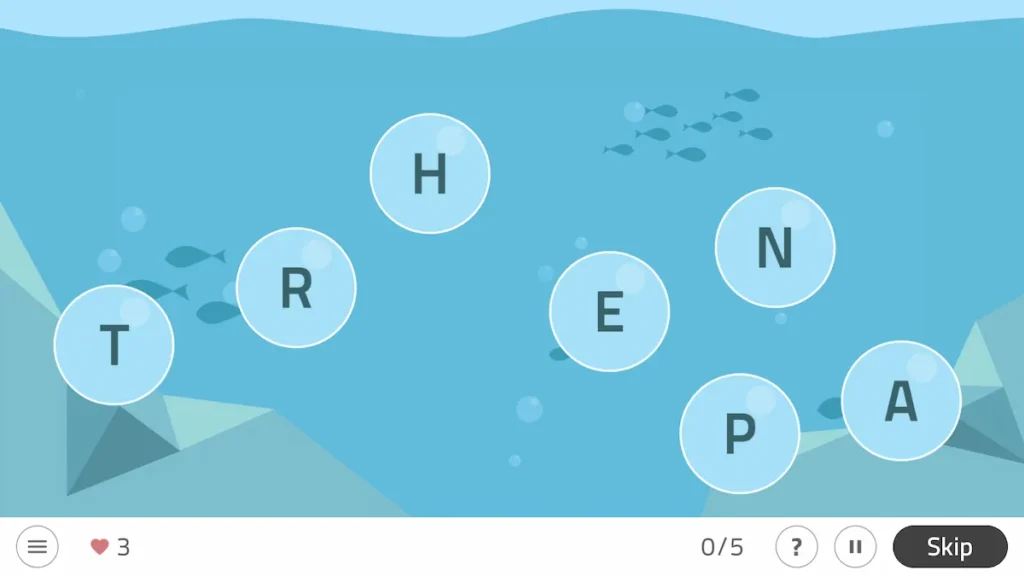
What is the game and what does it work on?
This NeuronUP game consists of building words by arranging fragments, syllables, or individual letters scattered on the screen. Making Words is designed to work on working memory and vocabulary.
Level-based game
The game is organized into 3 different difficulty levels. Levels 1 to 4 cover an easy difficulty range; levels 5 to 8 are medium difficulty; and levels 9 to 12 are difficult.
Regardless of the level, the professional can work with the classic version of the game, where parameters can be modified to adapt it to each user’s needs, or with the updated version, which has a preset configuration with and without time.
Languages and format
Making Words is available in digital format in Spanish, English, and Portuguese.
Children’s version
Making Words is adapted for the pediatric population in its version called Jumbled letters.
2. Stop the Ball
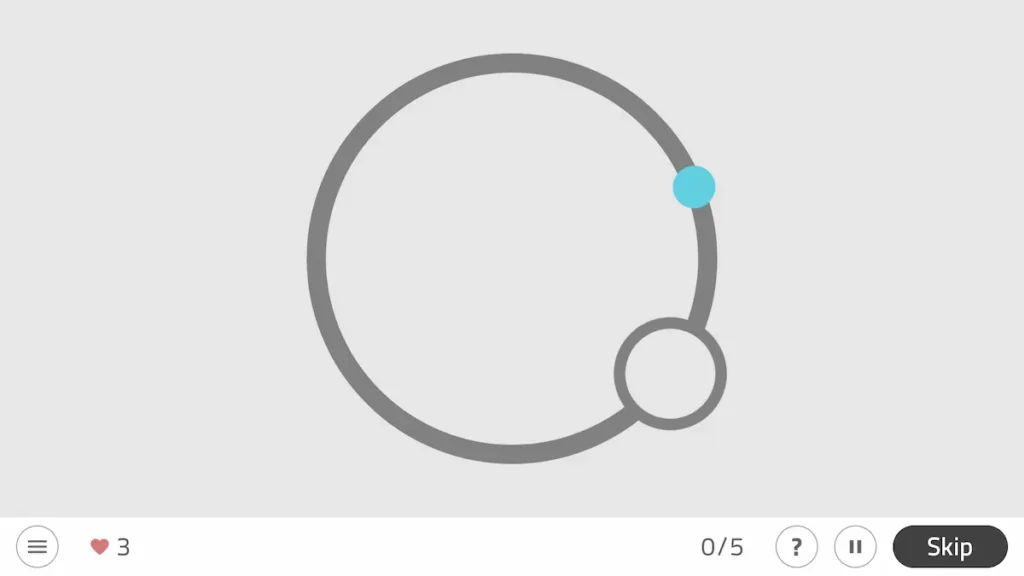
What is the game and what does it work on?
This NeuronUP game consists of identifying the precise moment when the ball passes through a specific point. Stop the ball is aimed at training spatial relations, inhibition, planning, and users’ processing speed.
Level-based game
Like the previous game, it is organized into 3 different difficulty levels that can be customized to each user’s characteristics in the classic version, or worked on with two different configurations in the updated version.
Languages and format
Stop the ball is available in digital format in Spanish, English, French, Portuguese, Catalan, German, and Italian.
Children’s version
Stop the ball is adapted for the pediatric population in its version called Pit stop.
3. Fast Numbers
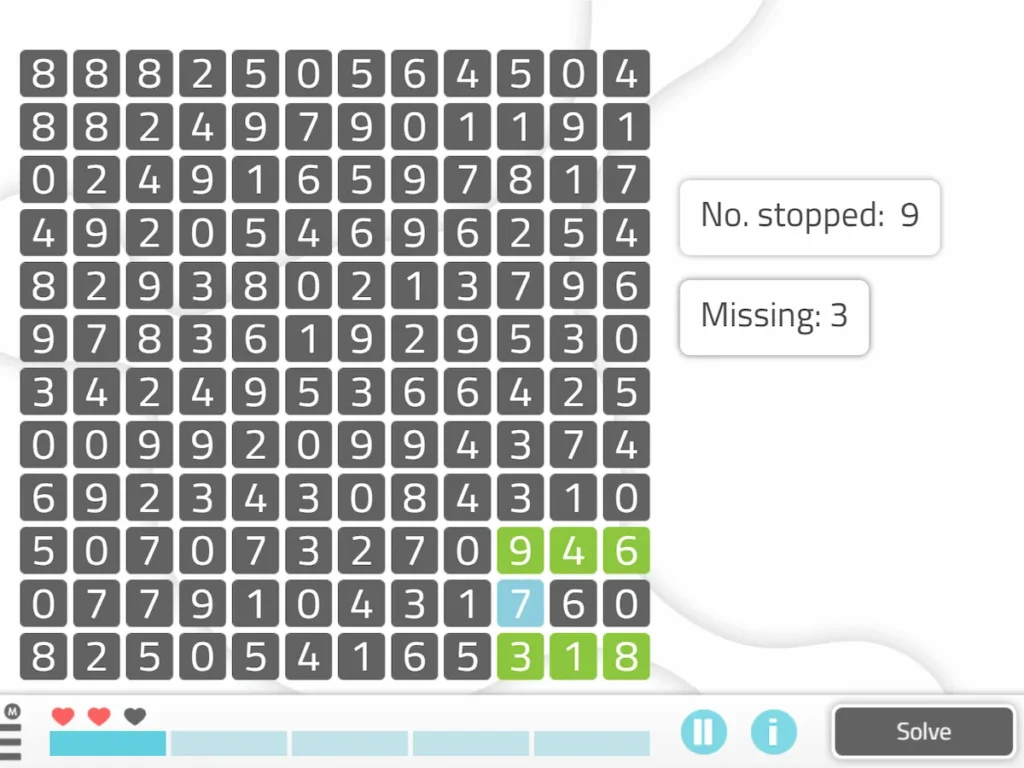
What is the game and what does it work on?
This NeuronUP game consists of detecting as quickly as possible the numbers that remain fixed within a larger set in continuous motion. Fast Numbers is intended to work on selective attention, visual gnosias, and sustained attention.
Level-based game
The game is organized into 3 different difficulty levels: levels 1 to 4 are easy, levels 5 to 8 are medium difficulty, and levels 9 to 12 are the most challenging.
Regardless of the level, the professional can work with the classic version of the game, where different parameters can be modified to adapt it to each user’s characteristics, or with the updated version, which includes a preset configuration with and without time.
Languages and format
Restless numbers is available in digital format in Spanish, English, French, Portuguese, Catalan, German, and Italian.
4. Forming sentences
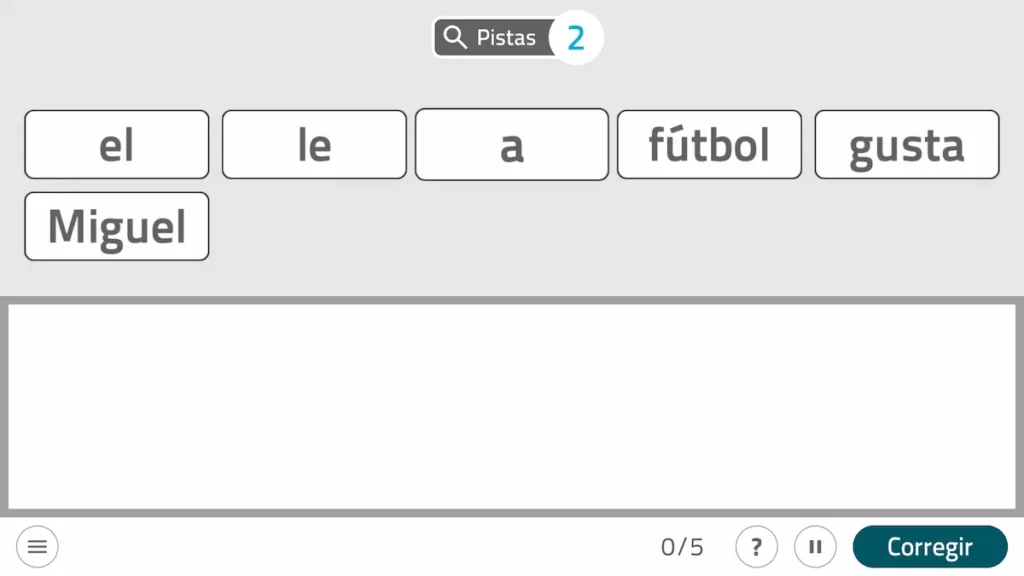
What is the game and what does it work on?
This NeuronUP game consists of reorganizing the words shown on the screen to build meaningful sentences. Forming sentences is designed to train expression, working memory, flexibility, planning, and comprehension.
Level-based game
Like the previous games, it is organized into 3 difficulty levels that can be customized to adapt to each user’s specific needs in the classic version, or worked on with a preset configuration with and without time in the updated version.
Languages and format
Forming words is available exclusively in digital format in Spanish.

Subscribe
to our
Newsletter
5. Identify the piece
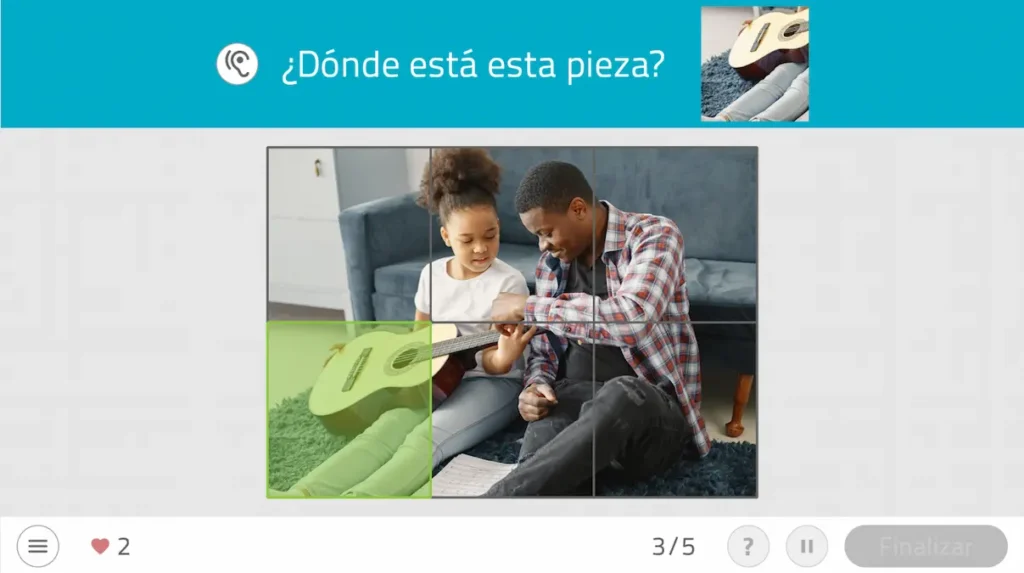
What is the game and what does it work on?
This NeuronUP game consists of distinguishing the fragment of the image shown on the screen. Identify the piece is intended to train selective attention and visual gnosias.
Level-based game
The game is organized into 3 different difficulty levels: levels 1 to 4 are easy, levels 5 to 8 are medium difficulty, and levels 9 to 12 are the most challenging.
Regardless of the level, the professional has the option to work with an updated version that includes a preset configuration with and without time.
Languages and format
Identify the piece is available exclusively in digital format in Spanish.
6. Word Scramble
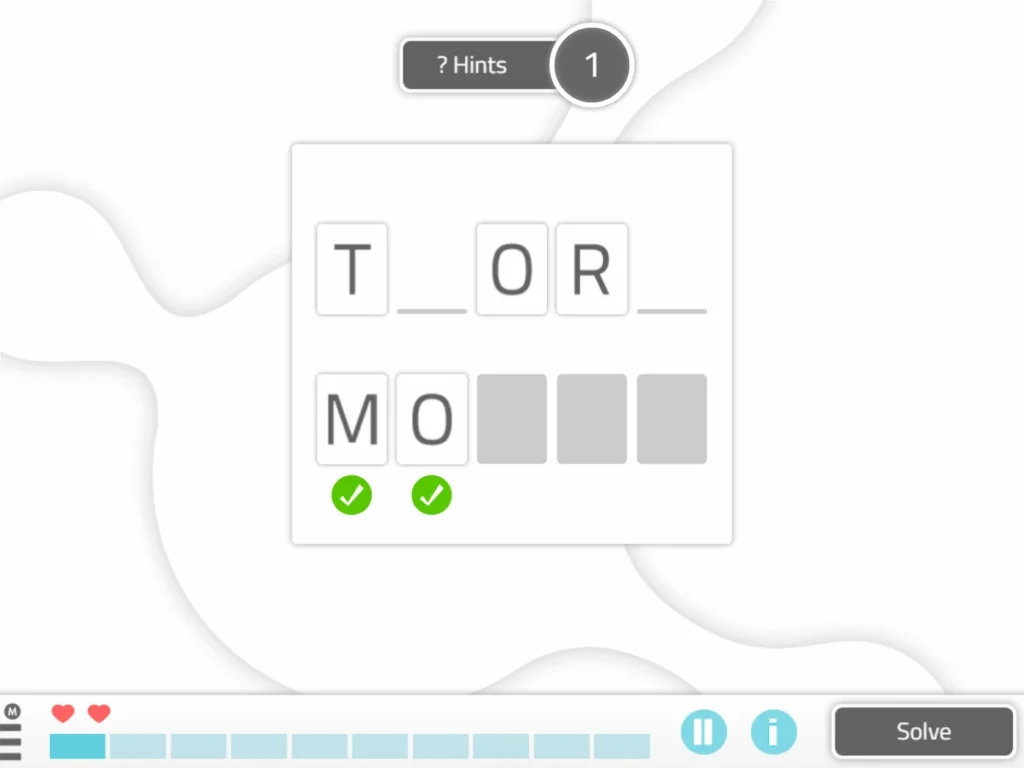
What is the game and what does it work on?
This NeuronUP game consists of placing the given letters in the correct order to form a word. Word Scramble is intended to work on vocabulary and working memory.
Level-based game
The game is organized into 3 different difficulty levels. Levels 1 to 4 cover an easy difficulty range; levels 5 to 8 are medium difficulty; and levels 9 to 12 are difficult.
Regardless of the level, the professional can work with the classic version of the game, where parameters can be modified to adapt it to each user’s characteristics, or with the updated version, which includes two configurations with and without time.
Languages and format
Word Scramble is available in digital format in Spanish, English, French, Portuguese, and Italian.
7. Color Match
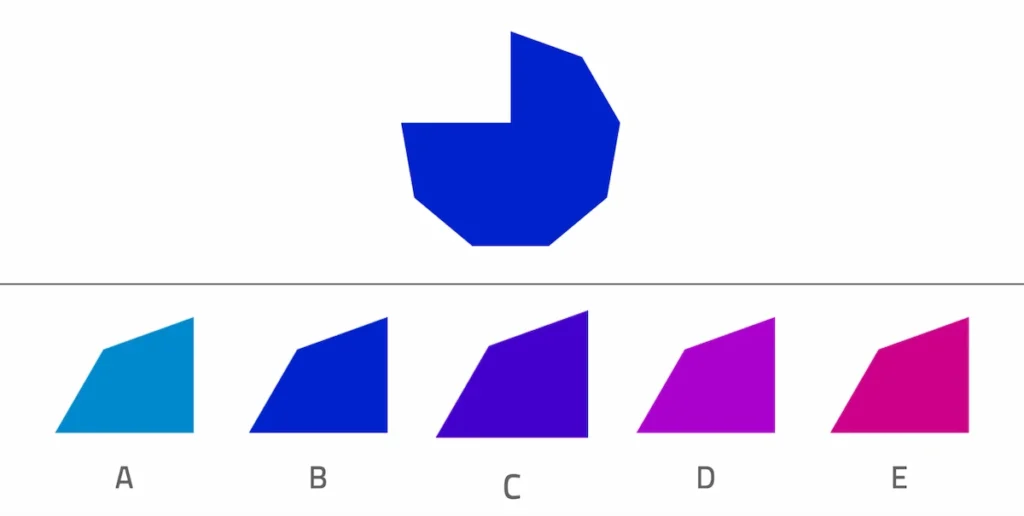
What is the game and what does it work on?
This NeuronUP game consists of identifying the same color as the one shown in the figure at the center of the screen. Color Match is intended to train visual gnosias and selective attention.
Level-based game
Like the previous games, it is organized into 3 difficulty levels that can be customized to adapt to each user’s specific characteristics in the classic version, or worked on with a preset configuration with and without time in the updated version.
Languages and format
Color Match is available in digital format in Spanish, English, French, Portuguese, Catalan, German, and Italian.
8. Find the monument
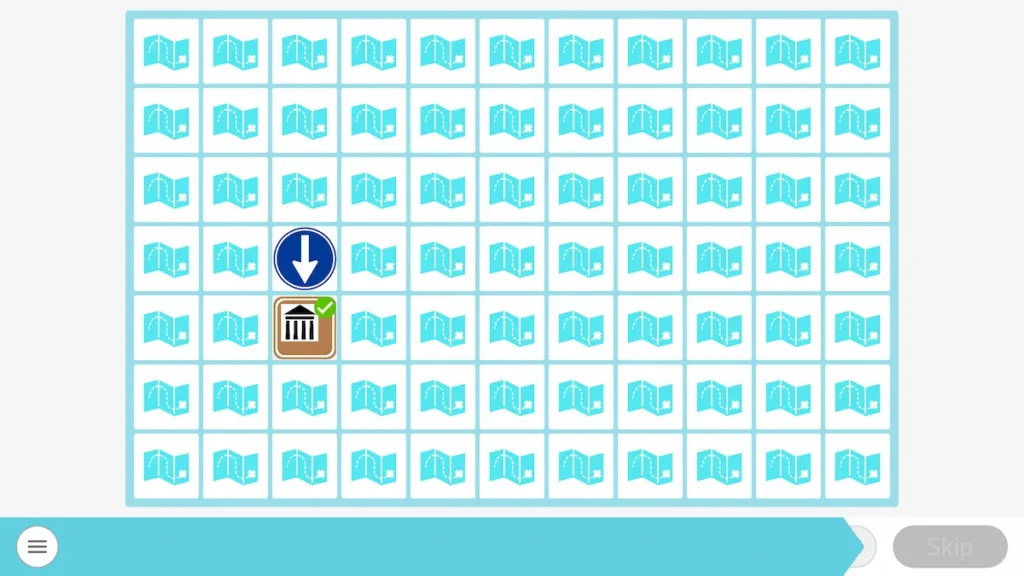
What is the game and what does it work on?
This NeuronUP game consists of following the instructions as quickly as possible to reach the goal. Find the monument is intended to work on processing speed, sustained attention, and working memory.
Level-based game
The game is organized into 3 different difficulty levels: levels 1 to 4 are easy, levels 5 to 8 are medium difficulty, and levels 9 to 12 are the most challenging.
Regardless of the level, the professional has the option to work with an updated version that includes a preset configuration with and without time.
Languages and format
Find the monument is available in digital format in Spanish, English, French, Portuguese, Catalan, German, and Italian.
9. Find the Double
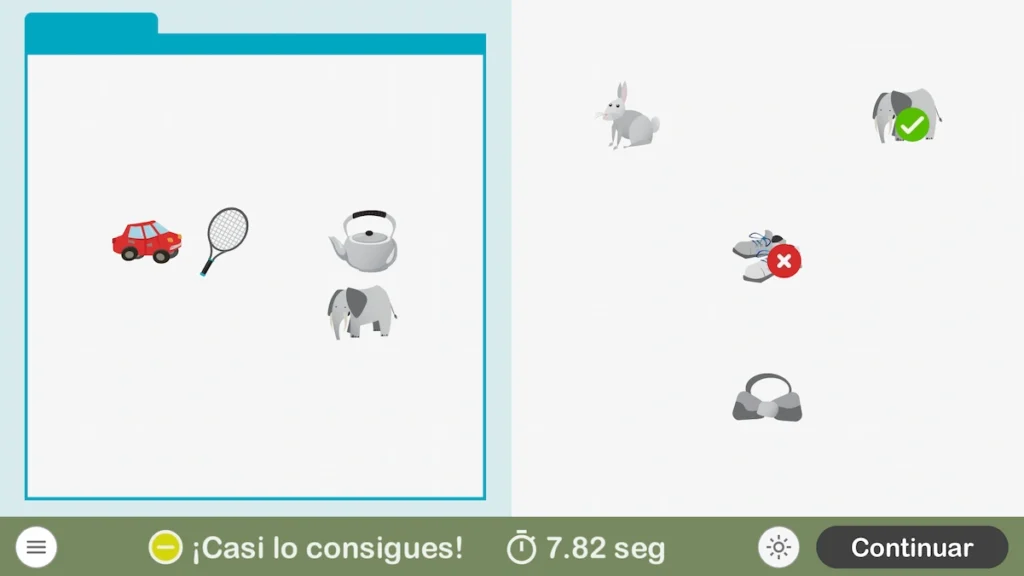
What is the game and what does it work on?
This NeuronUP game consists of finding the drawing that repeats in the image as quickly as possible. Find the double is intended to train processing speed and selective attention.
Level-based game
The game is organized into 3 different difficulty levels. Levels 1 to 4 cover an easy difficulty range; levels 5 to 8 are medium difficulty; and levels 9 to 12 are difficult.
Regardless of the level, the professional can work with the classic version of the game, where parameters can be modified to adapt it to each user’s characteristics, or with the updated version, which includes two configurations with and without time.
Languages and format
Find the double is available in digital format in Spanish, English, French, Portuguese, Catalan, German, and Italian.
Adult version
Find the double is adapted for the adult population in its version called The clone.
10. Fast matching
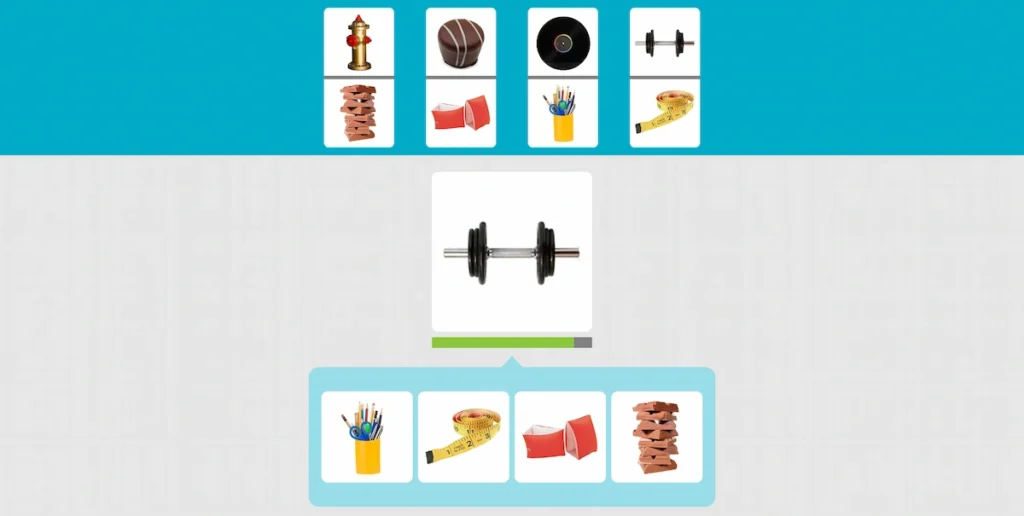
What is the game and what does it work on?
This NeuronUP game consists of matching the elements shown in the image as quickly as possible. Fast matching is intended to work on processing speed, selective attention, and sustained attention.
Level-based game
The game is organized into 3 different difficulty levels: levels 1 to 4 are easy, levels 5 to 8 are medium difficulty, and levels 9 to 12 are the most challenging.
Regardless of the level, the professional has the option to work with an updated version that includes a preset configuration with and without time.
Languages and format
Fast matching is available in digital format in Spanish, English, French, Portuguese, Catalan, German, and Italian.
Children’s version
Fast matching is adapted for the pediatric population in its version called Pairs on the run.






 Accuracy and reliability of the plasma p-tau217 test for diagnosing Alzheimer’s disease


Leave a Reply