
September means getting back to routine, and at NeuronUP we wanted to compile the most widely used activities by neurorehabilitation professionals during 2024.
In this article, you will find a selection of activities focused on working on different areas of intervention such as visuospatial skills, executive functions, attention, language, memory, and gnosias in young users with conditions related to neurodevelopmental disorders, such as ADHD, as well as intellectual disabilities, such as Down syndrome.
Take a look and find out if these are also your users’ favorite activities!
10 most widely used neurorehabilitation activities for working with children in 2024
- Pit Stop
- Which One Exists?
- Word Fishing
- Find the Pairs
- Which Number Do You Hear?
- What Is Each Thing Like?
- Complete the Image
- Letter Detective
- Mole Invasion
- Who Raised Their Hand?
1. Pit Stop
What does it involve?
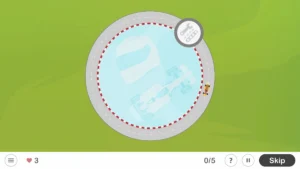
This game consists of calculating the exact moment when an element passes through a specific point.
What does it work on?
Pit Stop focuses on working on spatial relationships, inhibition, planning, and processing speed.
Play by levels
This NeuronUP game is organized into three levels of complexity: easy, medium, and hard. It also allows you to modify different general aspects and parameters to tailor the exercise to each young user.
Languages and format
Pit Stop is available in digital format in Spanish, English, French, Portuguese, Catalan, and Italian.
2. Which One Exists?
What does it involve?
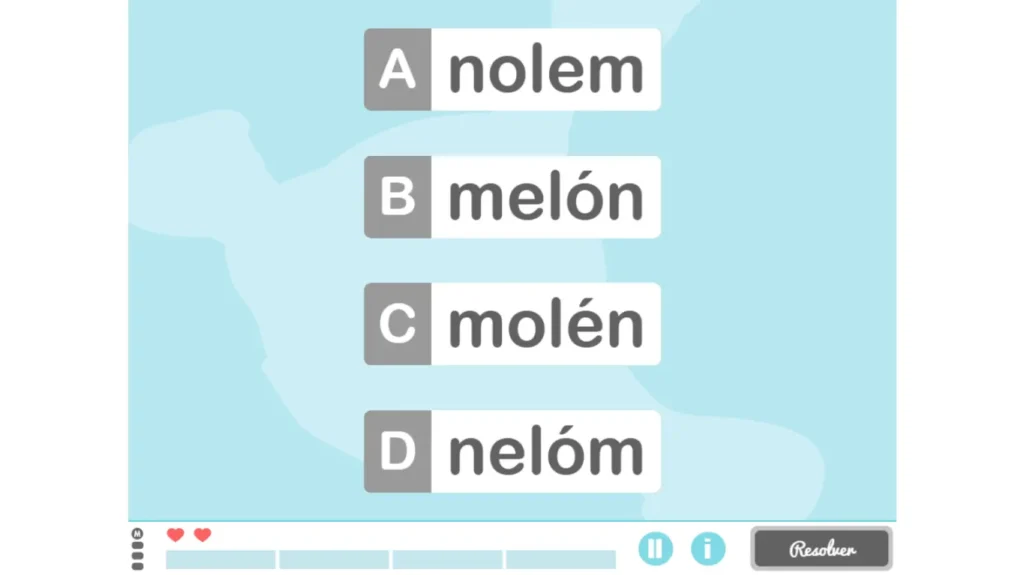
This worksheet consists of identifying which word exists within a group of words.
What does it work on?
Which One Exists? focuses on working on discrimination ability.
Play by levels
This NeuronUP activity is organized into five different difficulty levels: basic, easy, medium, hard, and advanced. As the level increases, so does the difficulty of the worksheets.
Languages and format
Which One Exists? can be used in both digital and paper formats.
In digital format, it is available in Spanish and Portuguese, while in paper format, it is available in Spanish.
3. Word Fishing
What does it involve?
This game consists of forming words by arranging syllables or individual letters.
What does it work on?
Catch the Word focuses on working on working memory, vocabulary, and hemineglect.
Play by levels
This NeuronUP game is organized into three difficulty levels: easy, medium, and hard. Professionals can also customize the activity by modifying general aspects and parameters.
Languages and format
Catch the Word is available in digital format in Spanish, English, and Portuguese.
4. Find the Pairs
What does it involve?
This worksheet consists of matching each figure with its corresponding pair.
What does it work on?
Find the Pairs focuses on selective attention.
Play by levels
This activity is organized into five difficulty levels: basic, easy, medium, hard, and advanced. As the level increases, so does the difficulty.
Languages and format
Find the Pairs can be used in both digital and paper formats.
In digital format, it is available in Spanish, English, French, Portuguese, Catalan, German, and Italian, while in paper format, it is available in Spanish and English.

Subscribe
to our
Newsletter
5. Which Number Do You Hear?
What does it involve?
This worksheet consists of choosing the dictated number.
What does it work on?
Which Number Do You Hear? focuses on discrimination.
Play by levels
This activity is organized into five difficulty levels: basic, easy, medium, hard, and advanced. As the level increases, so does the difficulty of the exercise.
Languages and format
Which Number Do You Hear? can be used in both digital and paper formats.
In digital format, it is available in Spanish, English, French, Portuguese, and Catalan, while in paper format, it is available in Spanish and English.
6. What Is Each Thing Like?
What does it involve?
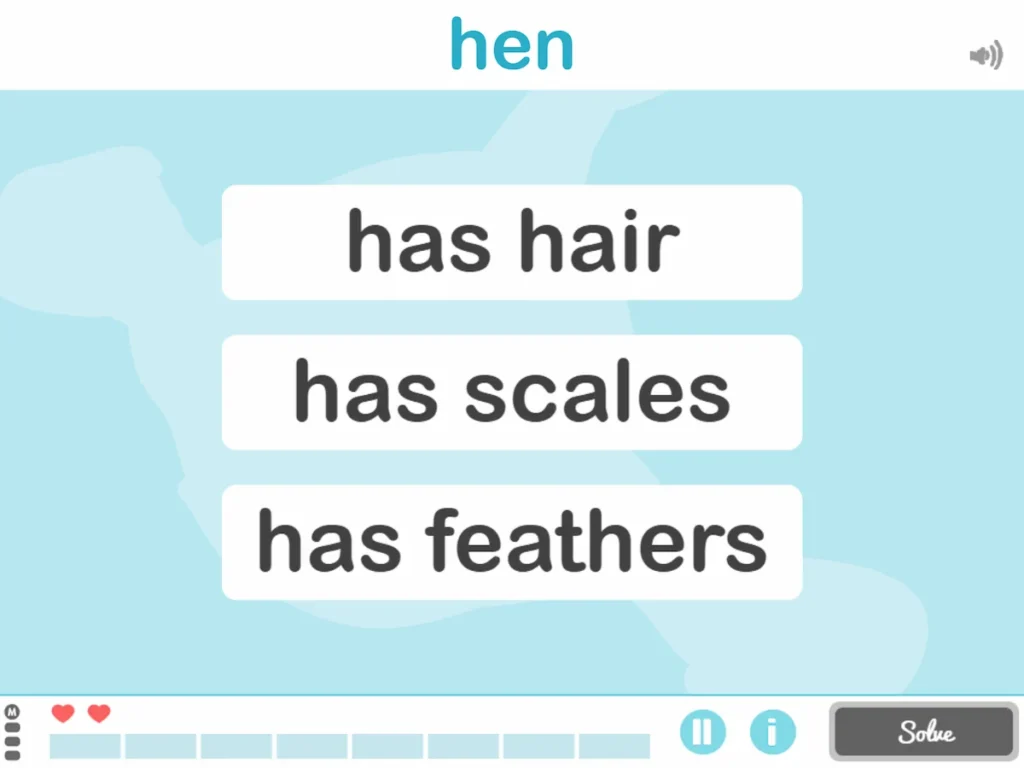
This worksheet consists of identifying the characteristics of different elements.
What does it work on?
What Is Each Thing Like? focuses on semantic memory.
Play by levels
This activity is organized into five difficulty levels: basic, easy, medium, hard, and advanced. As the level increases, so does the difficulty of the worksheets.
Languages and format
What Is Each Thing Like? can be used in both digital and paper formats.
In digital format, it is available in Spanish, English, Portuguese, and Catalan, while in paper format, it is available in Spanish and English.
7. Complete the Image
What does it involve?
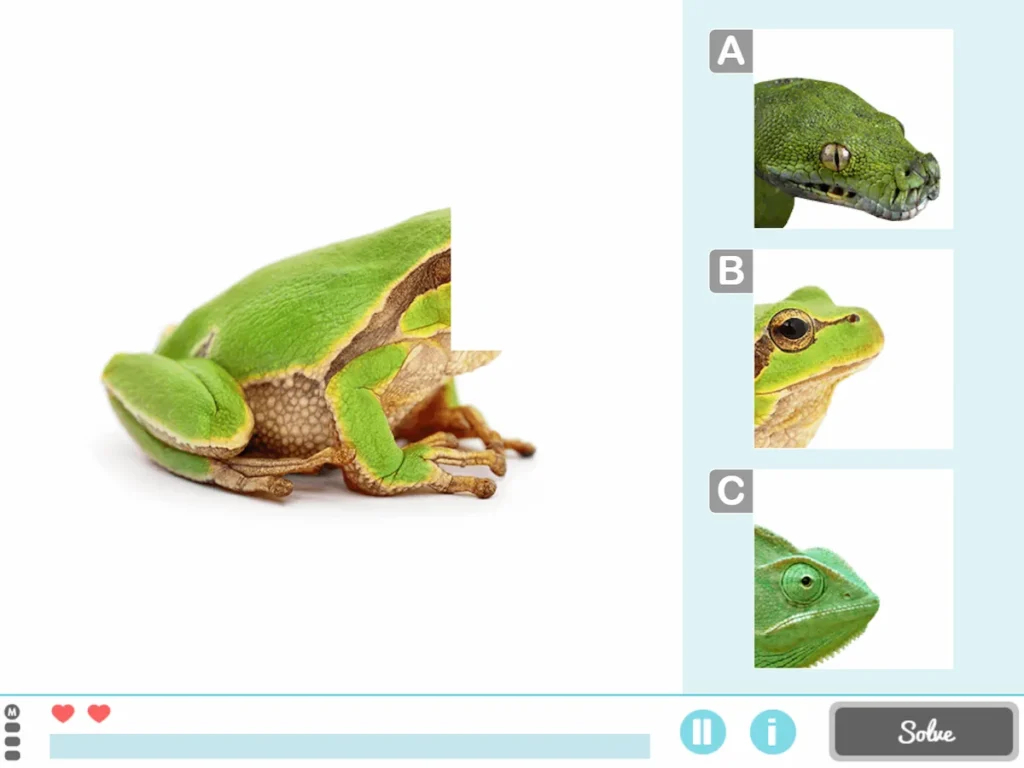
This worksheet consists of selecting the option that completes the image.
What does it work on?
Complete the Image focuses on visual gnosias.
Play by levels
This activity is organized into five difficulty levels: basic, easy, medium, hard, and advanced. As the level increases, so does the difficulty of each worksheet.
Languages and format
Complete the Image can be used in both digital and paper formats.
In digital format, it is available in Spanish, English, French, Portuguese, Catalan, German, and Italian, while in paper format, it is available in Spanish and English.
8. Letter Detective
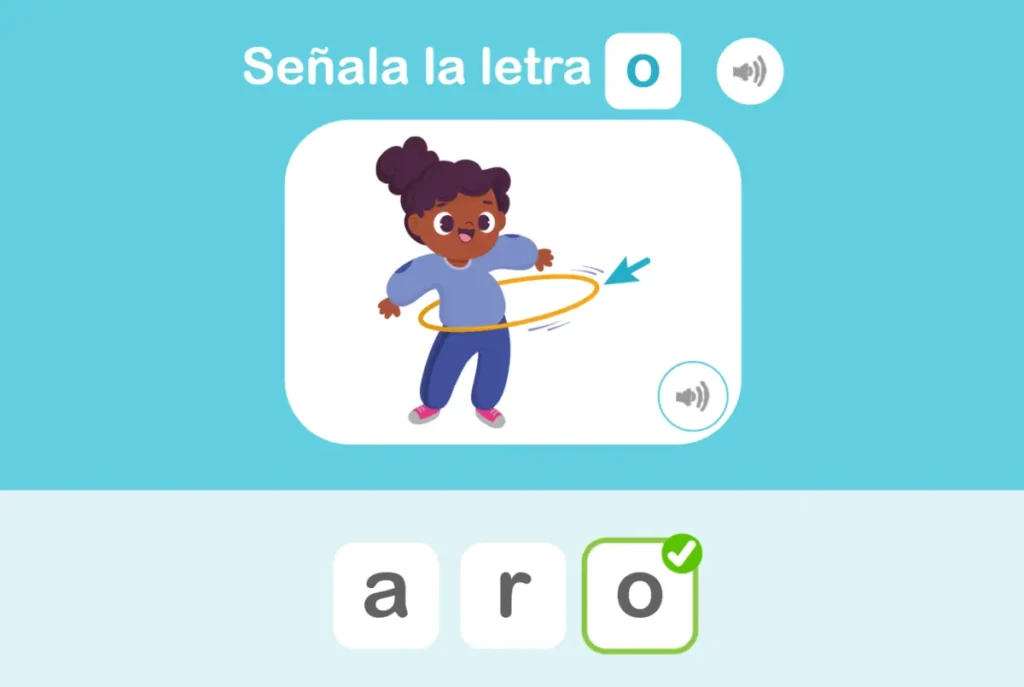
What does it involve?
This worksheet consists of indicating the position of the specified letter.
What does it work on?
Letter Detective focuses on discrimination and vocabulary.
Play by levels
This activity is organized into five difficulty levels: basic, easy, medium, hard, and advanced. The higher the level, the greater the difficulty.
Languages and format
Letter Detective can be used in both digital and paper format in Spanish.
9. Mole Invasion
What does it involve?
This game consists of remembering the order in which the moles appear and reproducing it in reverse.
What does it work on?
Mole Invasion focuses on working memory and episodic memory.
Play by levels
This game is organized into three difficulty levels: easy, medium, and hard. Some general aspects and parameters can also be customized.
Languages and format
Mole Invasion is available in digital format in Spanish, English, French, Catalan, and German.
10. Who Raised Their Hand?
What does it involve?
This game consists of remembering the order in which the children raised their hands and reproducing it.
What does it work on?
Who Raised Their Hand? focuses on episodic memory and working memory.
Play by levels
This game is organized into three difficulty levels: easy, medium, and hard, with customizable general aspects and parameters.
Languages and format
Who Raised Their Hand? is available in digital format in Spanish, English, French, Portuguese, Catalan, German, and Italian.
If you liked this blog post about the 10 most used NeuronUP activities to work with children, you will probably be interested in these NeuronUP articles:




“This article has been translated. Link to the original article in Spanish:”
Descubre las 10 actividades de NeuronUP más utilizadas para trabajar con niños

 Personality Disorder: What It Is, Its Nature, Types, Treatment, and Reality



Leave a Reply