

Discover how to integrate digital tools in university training in neuropsychology and better prepare future professionals.
Introduction
University training in cognitive stimulation faces a key challenge: reducing the gap between academic theory and real clinical practice. In recent years, digitization has transformed the way of assessing, intervening and rehabilitating cognitive functions, which requires that the university training in cognitive stimulation prepare future professionals with the digital competencies in neuropsychology necessary for current clinical practice.
However, many universities still do not fully integrate these technologies into their programs. In this article we explore how faculties can incorporate digital tools from clinical practice into their teaching, offering students a more practical, up-to-date training experience connected with the demands of the future professional.
Digitization in the clinical practice of neuropsychology: impact on cognitive health and rehabilitation
In recent years, clinical practice in neuropsychology and cognitive health has undergone a transformation marked by digitization. What was previously based on paper tests, exercise books and traditional face-to-face sessions is now complemented with digital neuropsychological tests, online cognitive stimulation platforms and telerehabilitation programs that allow evaluating and training cognitive functions more precisely, flexibly and accessibly.
These digital tools not only optimize the professional’s work, but also improve the user experience by offering personalized programs, remote monitoring and objective progress metrics.
Moreover, the integration of artificial intelligence and virtual reality is expanding intervention possibilities, allowing the design of simulated environments that replicate everyday situations.
In this context, university training cannot lag behind: if students do not learn to handle these technologies during their academic stage, they will enter the workforce without the digital competencies that clinical practice already requires.
The gap between university training in neuropsychology and current clinical practice
Although clinical practice in cognitive health has digitized at great speed, university training does not always move at the same pace. In many faculties of psychology, neuropsychology or occupational therapy, curricula remain focused on traditional methodologies, with little presence of digital tools for cognitive assessment and intervention.
This situation creates an evident gap: students graduate with a solid theoretical foundation, but without having had real contact with the technologies that are already indispensable in daily clinical practice. When they begin their professional careers, they face cognitive stimulation software, teletherapy platforms or digital tests that they have not learned to operate during their studies.
The result is a mismatch between what higher education in digital cognitive health teaches and what current clinical practice requires. This not only affects the preparation of future professionals, but also the quality of care that users will receive, since recent graduates need an extra period of adaptation to become familiar with digital tools. Incorporating practical learning programs in cognitive rehabilitation would reduce this gap.
Reducing this gap requires closer collaboration between universities and clinics, with training programs that include digital internships, simulations and the use of specialized software from the early stages of training.
To delve deeper into this global vision, we recommend reading our complementary article :University training in cognitive health: toward a practical, digital education connected with clinical reality.
Digital tools for university teaching in neuropsychology and cognitive stimulation
Incorporating technology into university training in neuropsychology and cognitive health necessarily involves knowing the digital tools most used in clinical practice. Integrating them into the classroom not only allows students to become familiar with how they work, but also connects teaching with professional reality.
1. Cognitive stimulation and rehabilitation software in university teaching
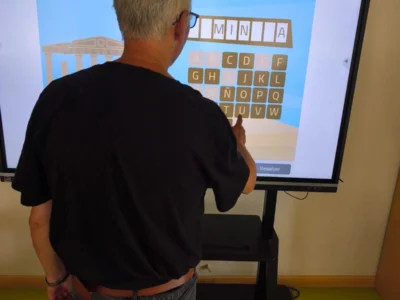
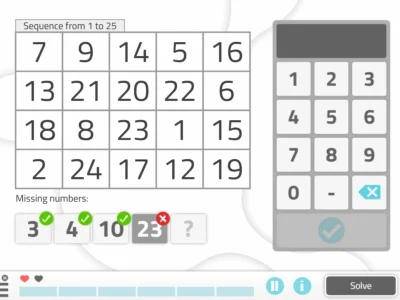
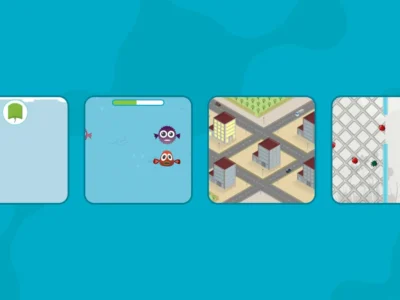
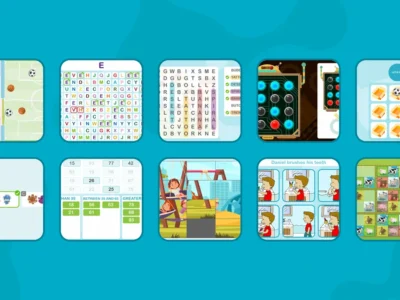
Digital platforms such as NeuronUP offer interactive exercises based on scientific evidence to train cognitive functions.
Besides their clinical value, this type of educational software for neuropsychology helps students understand how personalized rehabilitation programs are designed and applied in real clinical settings.
2. Digital neurological tests: modern assessment in university training
Traditional paper tests are being replaced by digital versions that allow a faster, more accurate and standardized assessment.
These resources help students train in interpreting results and in making clinical decisions supported by objective metrics.
3. Teletherapy and telerehabilitation platforms in training in cognitive health
Remote care has been consolidated in the clinical field and it is crucial that future professionals understand how teletherapy platforms work, what benefits they offer (accessibility, continuity of treatment) and what limitations they should consider in practice.
4. Virtual reality and augmented reality in university teaching of neuropsychology
These technologies allow simulating everyday scenarios, offering immersive experiences for the assessment and rehabilitation of cognitive functions.
Integrating them into university teaching helps students experience how the virtual reality and augmented reality enhance intervention in clinical contexts.
5. Tools based on artificial intelligence (AI) in university training in cognitive health
The AI is revolutionizing the personalization of cognitive intervention, automatically adapting exercises to the user’s performance.
In the classroom, it allows showing how it is possible to apply data analytics to monitor progress and adjust programs automatically.

Subscribe
to our
Newsletter
Strategies to integrate digital tools into university training in neuropsychology
Knowing digital tools is the first step, but the real challenge is implementing strategies that bring digital university training in neuropsychology closer to real practice, through cognitive health curricula adapted to the digital era.
1. Digital labs and clinical simulations in university teaching
Create spaces where students can practice with cognitive stimulation software, digital neuropsychological tests or teletherapy platforms in a safe environment.
These labs function like “virtual clinics” where errors become learning.
2. Practical classroom cases with virtual users in neuropsychology
Design simulations of users with different cognitive profiles so that students learn to select, apply and adjust digital intervention programs.
This facilitates the transfer of theoretical knowledge to professional practice.
3. Supervised internships with cognitive stimulation software
Allow students to use programs like NeuronUP or other digital tools in supervised internships, whether in the classroom or in collaboration with clinical centers associated with the university.
4. Specific courses on digital competencies in neuropsychology and cognitive health
Include subjects dedicated to the use of technologies in cognitive health, including training in artificial intelligence, virtual reality and big data applied to neuropsychology.
This ensures that digital competence is not a complement, but a central part of training.
5. University-clinic agreements for internships in digital neuropsychology
Promote agreements with hospitals, rehabilitation centers and private clinics that already work with these tools.
In this way, students can experience in a real environment how technologies are integrated into daily clinical care.
Benefits of integrating digital tools into university training in neuropsychology
The integration of digital tools into university training not only responds to a need for academic updating, but generates concrete benefits for all actors in the educational and clinical process.
Benefits for students when training with digital tools in neuropsychology
- They acquire highly demanded digital competencies in the job market.
- They develop a more practical and applied experience, reducing the gap with clinical reality.
- They improve their employability by graduating with knowledge in software, digital tests and telerehabilitation platforms.
How teachers benefit from digital tools in university teaching
- They have dynamic resources that enrich their classes and make them more interactive.
- They can assess students through digital simulations and practical cases, which facilitates measuring real competencies.
- They position themselves as up-to-date leaders in the teaching of neuropsychology and cognitive health.
Impact on users: better prepared professionals in digital cognitive health
- They receive care from professionals better prepared to apply modern clinical tools.
- They benefit from personalized, evidence-based programs from the first contact with a newly qualified professional.
- Treatment continuity improves thanks to specialists familiar with telerehabilitation and technology applied to cognition.
Key recommendations for universities and teachers in the digital integration of neuropsychology
For digitization in university training in neuropsychology and cognitive health to be effective, it is not enough to incorporate tools in isolation. A structured plan that guarantees a sustainable and quality implementation is necessary. Here are some key recommendations:
1. Select tools based on scientific evidence
Prioritize platforms and software that have validation studies and contrasted clinical results. This ensures that students work with quality resources aligned with professional practice.
2. Design pilot programs before full implementation
Before extending the use of new technologies to the entire curriculum, it is advisable to run tests with small groups of students. This allows detecting areas for improvement and adjusting processes.
3. Include specific training for teachers
The success of digital integration depends on teachers mastering the tools. It is recommended to offer training, workshops and support materials that facilitate their adoption.
4. Create agreements with clinics and hospitals
University-clinic agreements make it easier for students to experience the use of technologies in real environments. These agreements also strengthen the link between academia and professional practice.
5. Promote continuous evaluation of results
Establish metrics that allow measuring the impact of digital tools on learning, employability and the clinical preparedness of students.
6. Promote an innovation mindset
Beyond the technology itself, it is important that universities and teachers convey to students the ability to adapt to change, explore new solutions and maintain a critical attitude towards digital tools.
Conclusion: the future of digital training in neuropsychology and cognitive health
Digitization has irreversibly transformed clinical practice in neuropsychology and cognitive health. Universities cannot fall behind: preparing future professionals involves equipping them with digital competencies, real contact with clinical tools and training that reflects the current demands of the sector.
Integrating cognitive stimulation software, digital tests, telerehabilitation platforms or virtual reality environments not only improves students’ preparation, but also positively impacts the quality of care that users will receive.
Institutions that adopt this path will be leading the future of university education in cognitive stimulation and consolidating the digital transformation in the teaching of neuropsychology.
If you are a university lecturer and/or coordinator of university health training, we invite you to learn how NeuronUP can transform your curricula and optimize the training of your students.
Request a meeting with our team
Find out how NeuronUP can optimize your university’s prestige and academic offering with its innovative resources. Complete the form and our team will advise you without obligation.
Frequently asked questions about how to integrate digital tools from clinical practice into university training
1. What digital tools are currently used in the clinical practice of neuropsychology?
The most common are digital neuropsychological tests, cognitive stimulation and rehabilitation programs (such as NeuronUP), telerehabilitation platforms and virtual reality applied to the assessment and treatment of cognitive functions.
2. Why is it important for the university to integrate these tools into training?
Because it prepares students to face current professional reality, provides them with digital competencies demanded by the job market and improves the connection between theory and clinical practice.
3. What benefits does the use of digital tools bring to university training?
Students gain practical experience in simulated environments, teachers have updated resources, and future users receive higher-quality clinical care thanks to better prepared professionals.
4. How can universities implement these tools in their programs?
Through digital laboratories, clinical simulations, specific courses on digital competencies, agreements with clinics and the incorporation of cognitive stimulation software in internships and classroom projects.
5. What impact does digitization have on future users served by these professionals?
Users receive more personalized, evidence-based care adapted to new modalities such as telerehabilitation, thanks to professionals who are already training with these tools.
6. What is the future of university training in cognitive health?
The future is a digital, personalized model connected with clinical practice, where artificial intelligence, virtual reality and big data allow teaching to be adapted to the needs of each student and professional practice.
If you liked this blog post about how to integrate digital tools from clinical practice into university training in neuropsychology, you will surely be interested in these NeuronUP articles:

“This article has been translated. Link to the original article in Spanish:”
Cómo integrar herramientas digitales de la práctica clínica en la formación universitaria en neuropsicología

 Neuropsychology of cocaine use and cognitive impairment



Leave a Reply