NeuronUP Assessment:
Your new digital assessment tool
At NeuronUP, we’re launching our new assessment product hand in hand with neuropsychology experts José Antonio Periáñez,Genny Lubrini and Marcos Ríos . Digitize your assessment and start saving time with a more dynamic and engaging experience for your users



Stroop Test
Finger Tapping
Task switching
What will you find in NeuronUP Assessment?
Batteries

General SPAIn Battery
(Speed of processing assessment instrument)
A battery with a total of 10 tests and a duration of 30 minutes and 20 seconds.
What tests will you find?

Motor speed test (Finger Tapping)
Includes 2 subtests
Duration: 1 minute and 50 seconds
Perceptual-motor speed test (Simple reaction time)
Duration: 3 minutes
Go/No-Go Test (SART)
Duration: 1 minute and 30 seconds
Response selection speed test
Duration: 2 minutes
Visual search test with interference
Duration: 4 minutes
Verbal working memory 1-back test
Duration: 2 minutes and 30 seconds
Verbal working memory 2-back test
Duration: 2 minutes and 30 seconds
Spatial working memory 1-back test
Duration: 2 minutes and 30 seconds
Spatial working memory 2-back test
Duration: 2 minutes and 30 seconds
Cognitive flexibility test (Task switching)
Duration: 8 minutes
Perceptual-Motor Speed Battery
(SPAIn-VPM)
A battery consisting of a total of 3 tests and a duration of 6 minutes and 50 seconds.
What tests will you find?
Motor speed test (Finger Tapping)
Includes 2 subtests
Duration: 1 minute and 50 seconds
Perceptual-motor speed tests (Simple reaction time)
Duration: 3 minutes
Response selection speed test
Duration: 2 minutes
Working Memory Battery
(SPAIn-MO)
A battery consisting of a total of 4 tests and a duration of 10 minutes.
What tests will you find?
Verbal working memory 1-back test
Duration: 2 minutes and 30 seconds
Verbal working memory 2-back test
Duration: 2 minutes and 30 seconds
Spatial working memory 1-back test
Duration: 2 minutes and 30 seconds
Spatial working memory 2-back test
Duration: 2 minutes and 30 seconds
TESTS
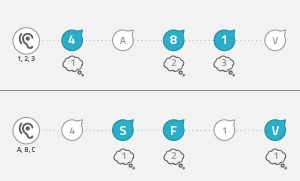
Brief Auditory Attention Test
Focused on selective attention.
Duration: 8 minutes.
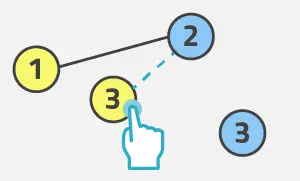
Color Trails Test
Focused on processing speed.
Duration: 4 minutes.
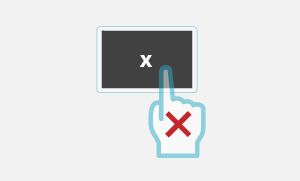
Continuous Performance Test (CPT)
Focused on processing speed.
Duration: 15 minutes.
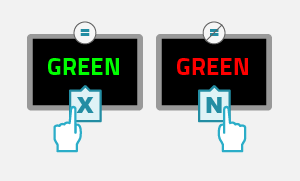
Stoop Test
Focused on processing speed.
Duration: 3 minutes.
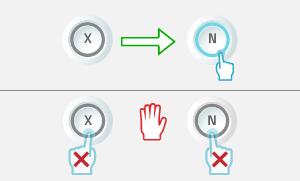
Stop-Signal Test
Focused on inhibition.
Duration: 10 minutes.
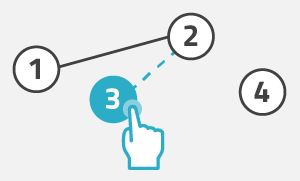
Trail Making Test (TMT)
Focused on processing speed.
Duration: 4 minutes.
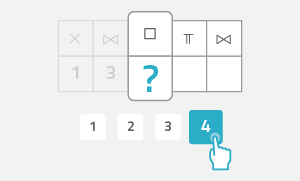
Symbol Digit Modalities Test (SDMT)
Focused on processing speed.
Duration: 4 minutes.
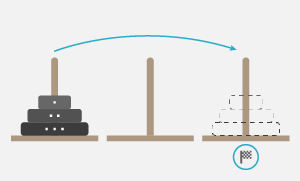
Tower of Hanoi
Focused on inhibition.
Duration: 9 minutes.
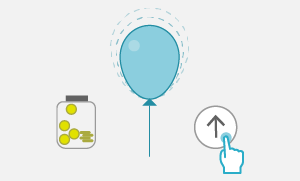
Balloon Test
(Balloon Analog Risk Task – BART)
Focused on decision-making.
Duration: 5 minutes.
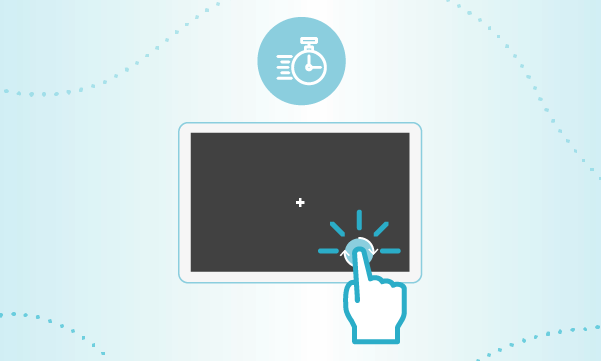
Motor speed test (Finger Tapping)
Focused on processing speed
with 2 subtests.
Duration: 1 minute and 50 seconds
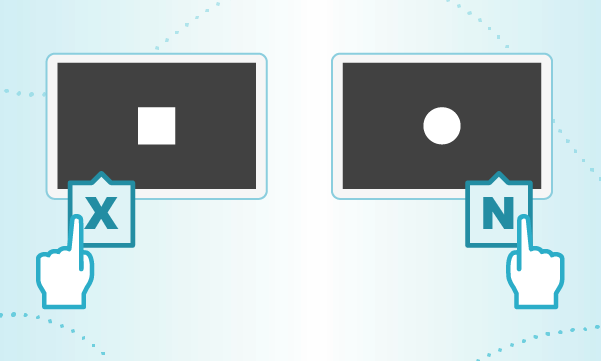
Test Response selection speed test
Focused on processing speed.
Duration: 2 minutes.
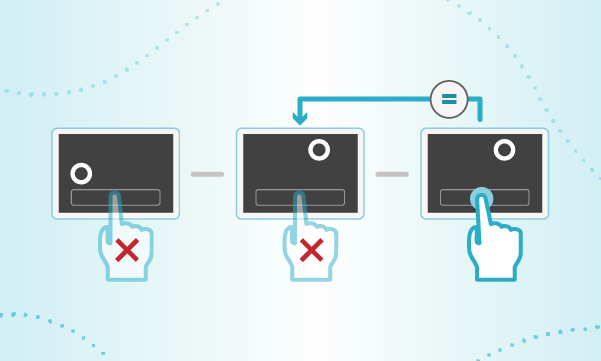
Test Spatial working memory 1-back test
Focused on working memory.
Duration: 2 minutes and 30 seconds.
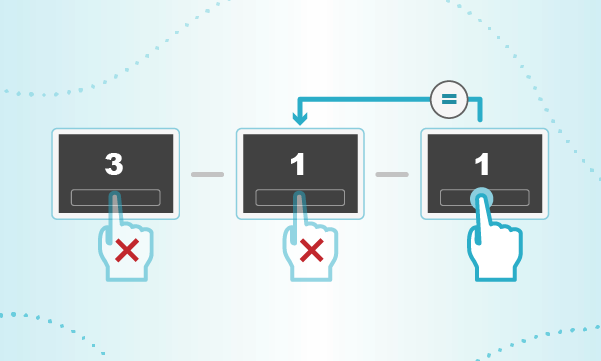
Test Verbal working memory 1-back test
Focused on working memory.
Duration: 2 minutes and 30 seconds.
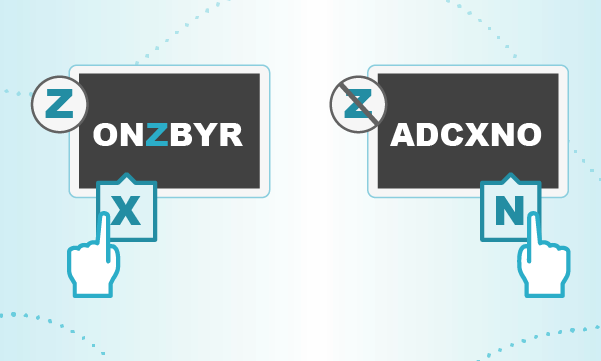
Test Visual search test with interference
Focused on processing speed.
Duration: 4 minutes.
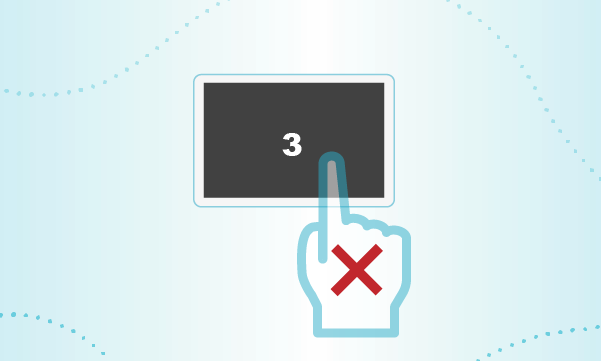
Test Go/No-Go Test
Focused on inhibition.
Duration: 1 minute and 30 seconds.
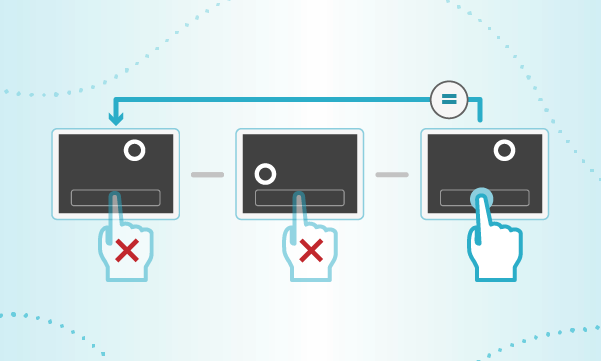
Test Spatial working memory 2-back test
Focused on working memory.
Duration: 2 minutes and 30 seconds.
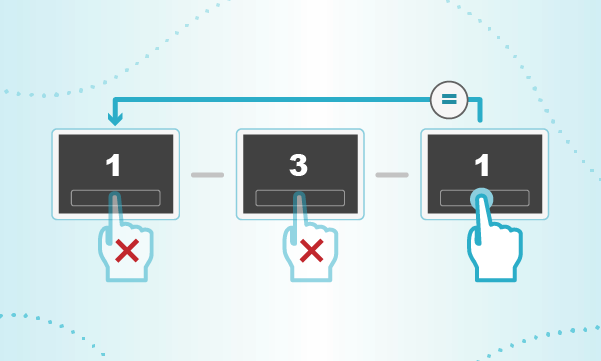
Test Verbal working memory 2-back test
Focused on working memory.
Duration: 2 minutes and 30 seconds.
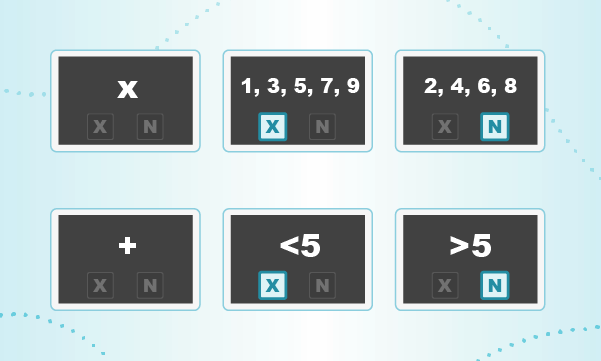
Test Cognitive flexibility test (Task switching)
Focused on flexibility.
Duration: 8 minutes.

Test Perceptual-motor speed test (Simple reaction time)
Focused on processing speed.
Duration: 3 minutes.
Why choose NeuronUP Assessment?

Strong scientific support
NeuronUP Assessment is based on strong scientific support, offering you a set of metrics that enable you to optimize decision-making.
Save time
Save time thanks to automatic result generation.

100% digital process
Digital tests, but with the same procedure as always. Find the user manual just like in traditional assessment procedures.

Better understand
your users
Observe your users’ behavior while they take the tests to identify strategies or distractors during their responses.

Everything under control from
one single place
Keep all assessment information collected in a single tool.

Boost motivation and
progress
Thanks to a digital assessment, your users will have a more interactive, dynamic, and engaging experience, boosting their motivation.
Speed measurement down to the millisecond
These tasks allow you to measure speed down to the millisecond, which makes them more useful than traditional measures for detecting subtle speed deficits in users.
Ability to assess reduced processing speed
You’ll be able to assess whether a reduction affects only the peripheral stages of information processing (perceptual and/or motor), only the central stages (cognitive processes) or whether multiple factors are slowed down.
Frequently asked questions
1. What is the scientific support behind NeuronUP Assessment?
All the elements we have designed in NeuronUP Assessment tests—such as intervals, stimulus presentation times, etc.—have strong scientific support. It is based on existing scientific publications and on the accumulated experience of professionals (researchers and clinicians) who have been using them for more than 15 years.
2. What is NeuronUP Assessment based on?
This new NeuronUP product is based on the usual administration procedures in psychological and neuropsychological assessment. In all available tasks and tests, you’ll find a manual that describes in detail all the relevant elements for correct administration (theoretical foundations, definitions, administration rules, interpretation criteria for results, etc.).
3. Is this a finished product?
No, our product team continues to work hand in hand with experts in neuropsychology and applied neuroscience (such as Marcos Ríos-Lago, Genny Lubrini, or José Antonio Periáñez) on the design and development of new tests and assessment measures that allow us to build out protocols for a complete description of performance across different cognitive domains.
4. Can we diagnose with NeuronUP Assessment?
NeuronUP Assessment tests and batteries do not assess on their own, but they provide professionals with information that will help them make technical decisions and answer questions tailored to each assessment situation. The tests consist of a set of stimuli and materials that create specific situations so professionals can observe individuals’ behavior and reflect and draw conclusions based on the observed behavior and individual results.
5. What population can we apply NeuronUP Assessment batteries and tests to?
Our tests are validated for use with adults (over 18 years old), as this is the group used in validation studies and the collection of normative data. Therefore, at NeuronUP we cannot recommend their use for users under 18.
However, a professional may consider using them to assess individuals’ behavior during performance and carry out a qualitative analysis of results. Although many of the available tasks have been used with pediatric populations in clinical and research settings, and their reliability and validity have been shown in other contexts, there are currently no proprietary normative data for this age range.
Once again, knowledge of cognitive processes will be the key tool for neuropsychologists if they use the available tests in pediatric settings.
6. Is it mandatory to include a diagnosis and relevant patient information before administering NeuronUP Assessment tests and batteries?
Yes, the diagnosis and relevant information must be included in the patient profile, so that the norms applied in each case can be as closely tailored as possible to each person’s characteristics.
If your patient does not yet have a diagnosis, you can administer the tests by selecting the “Undiagnosed” label, and once you know what it is, you only need to change that label to the final diagnosis.
If these tests are administered to a healthy person, you will need to select the “Healthy person” label.
You should not choose a diagnostic label at random, as this may lead to using norms that are inappropriate for the person being assessed.
7. Can the tests be used with people with epilepsy, ADHD, or other conditions?
Yes, the tests can be administered to all clinical groups. The available measures are cross-sectional in nature and have been designed to assess cognitive performance, regardless of the clinical group being worked with. In addition, they can also be used to assess athletes, senior executives, etc.
Sometimes, some type of adaptation of the task may be required, for example in the presence of hemiplegia. In these cases, it is necessary to keep in mind that normative results must be handled and adjusted based on the professional’s knowledge and experience. These situations are very common in neuropsychological assessment, so the presence of a well-trained professional is necessary.
8. Can NeuronUP Assessment tests or batteries be administered on any device?
Assessment tests and batteries have been designed to be administered in a digital format, ensuring precise and standardized measurement of cognitive processes such as processing speed and decision-making.
For proper administration of the tasks, the following technical requirements and conditions are needed:
- Computer with an Intel i5 processor or similar.
- RAM of at least 8 GB.
- Minimum screen resolution of 1366 x 768 pixels.
- External monitor required for laptops, to ensure consistent visual presentation conditions.
- Stable 60 Hz screen refresh rate.
- A mouse is not required to complete the tasks, but it is required to navigate the platform.
- The tasks have been validated for standard physical keyboards. If adapted keyboards or other specific devices are used, the clinician will assess the feasibility of their use.
- The use of vertical touchscreens is not recommended.
- Any other response hardware (joysticks, eye-trackers, etc.) may not meet all the requirements for proper administration of the tasks. In this case, the professional must determine its possible influence and factor it in when interpreting the results obtained.
9. What happens if another professional at my center has started an assessment protocol for a patient we share?
If a professional starts an assessment protocol and leaves it unfinished, another professional can continue administering it as long as we have that patient or user assigned, but we will not be able to complete the protocol or delete it. These cases are common when a professional is on sick leave, on vacation, or in larger centers.
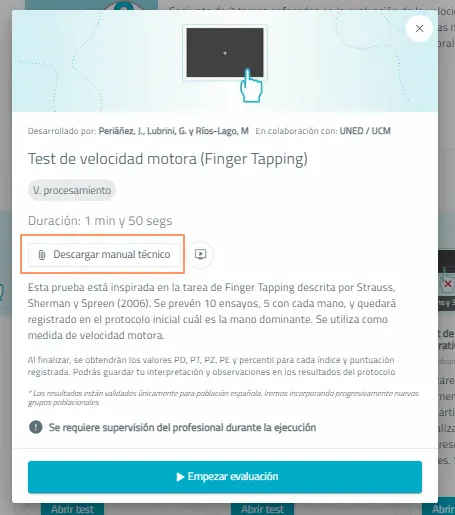
10. Where can we find the user manual for NeuronUP Assessment tests or batteries?
The user manual for NeuronUP Assessment tests and batteries can be found before starting each one.
11. Do all tests in a battery have to be administered on the same day?
No. When an assessment battery is started in NeuronUP Assessment, an assessment protocol is opened that will remain available until the professional closes or completes it. Thanks to this option, it is possible to administer the tests on separate days, making the process 100% flexible. This way, new tests can be added or tests that are not considered necessary can be removed at any time. In terms of flexibility, the assessment procedure is analogous to the usual paper-and-pencil protocols in clinical neuropsychology.
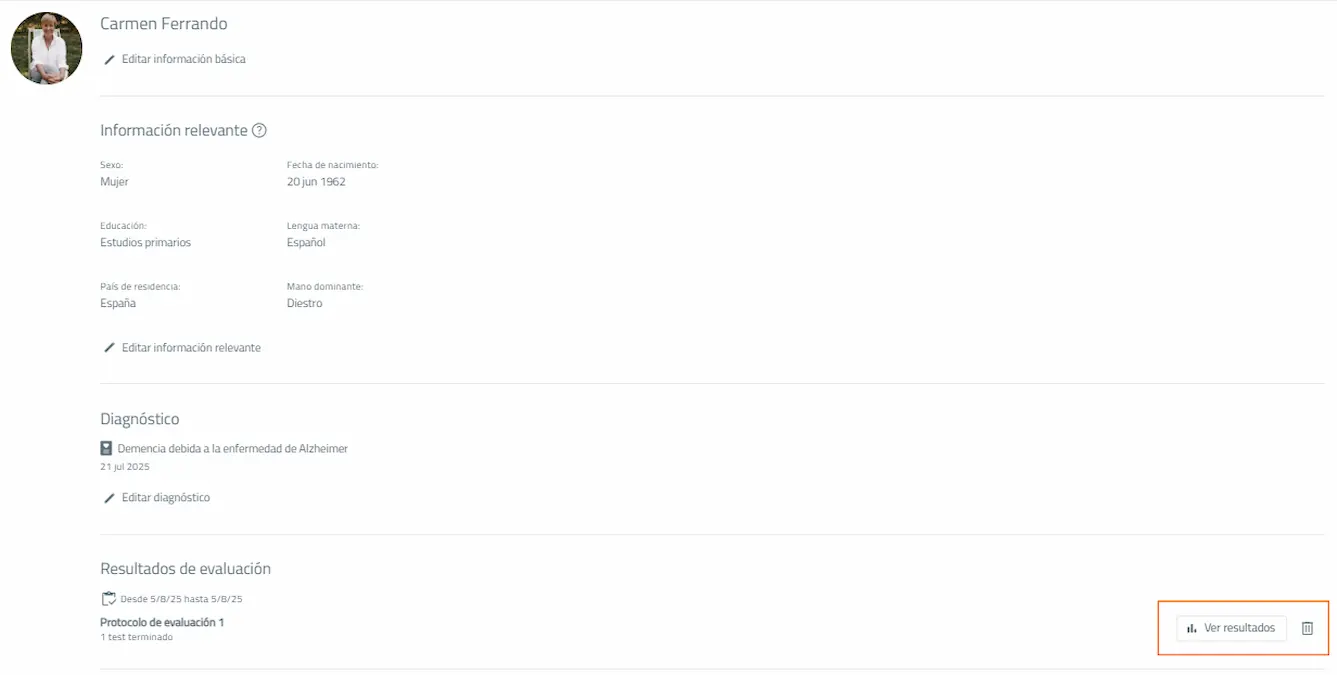
12. Where are the results from completed tests stored?
You can find the results of assessment tests and batteries in the user profile.
13. How does users’ or patients’ mental health affect performance on assessment tests or batteries?
A person’s mental health can affect performance across several cognitive domains and can significantly influence test results.
Some elements such as processing speed, working memory capacity, attentional performance, or decision-making ability can be strongly affected in different clinical situations. For this reason, assessments must be carried out by well-trained professionals who can properly establish the causes of poor performance. Many factors can affect the results obtained, so the professional must determine whether the performance seen in the tests reflects a genuine picture of maximum potential or the optimal performance a person can achieve.
14. What kinds of behavioral observations should I look for during the assessment process?
The manual includes some elements that are considered relevant regarding the types of behaviors that should be observed in patients during the assessment process across the different tests and batteries. These are a set of signs that can help with interpreting results. In any case, professionals who are well trained and experienced in administering neuropsychological assessment protocols are familiar with the kinds of observations that should be made in this context.
In the future, the incorporation of new technological elements will allow these observations to also be captured automatically by the platform. That way, as the patient completes the tests, gestures, verbalizations, and other findings that support interpretation of results will be recorded.
At present, it is very important that these gestures are observed by the professional for proper interpretation of results
15. Do you offer specific support to answer questions about NeuronUP Assessment?
We provide the email address “[email protected]” so you can ask NeuronUP Assessment-specific questions, and our colleagues—experts in neuropsychology—will be able to help you.
